
On a chilly evening, after a long day, there’s nothing quite like the warming aroma of a bubbling pot of Nigerian Chicken Stew wafting through the house. This dish transcends mere sustenance; it’s a culinary hug that wraps you in layers of flavor and comfort. With tender chicken, vibrant peppers, and a symphony of spices, this is the perfect one-pot meal that can easily transform your weeknight dining into a delightful experience. Plus, it’s quick to make—ideal for busy schedules—and perfect for collecting compliments when serving to friends and family. Ready to discover just how easy and rewarding making this flavorful comfort food can be? Let’s dive into the world of Nigerian Chicken Stew together!
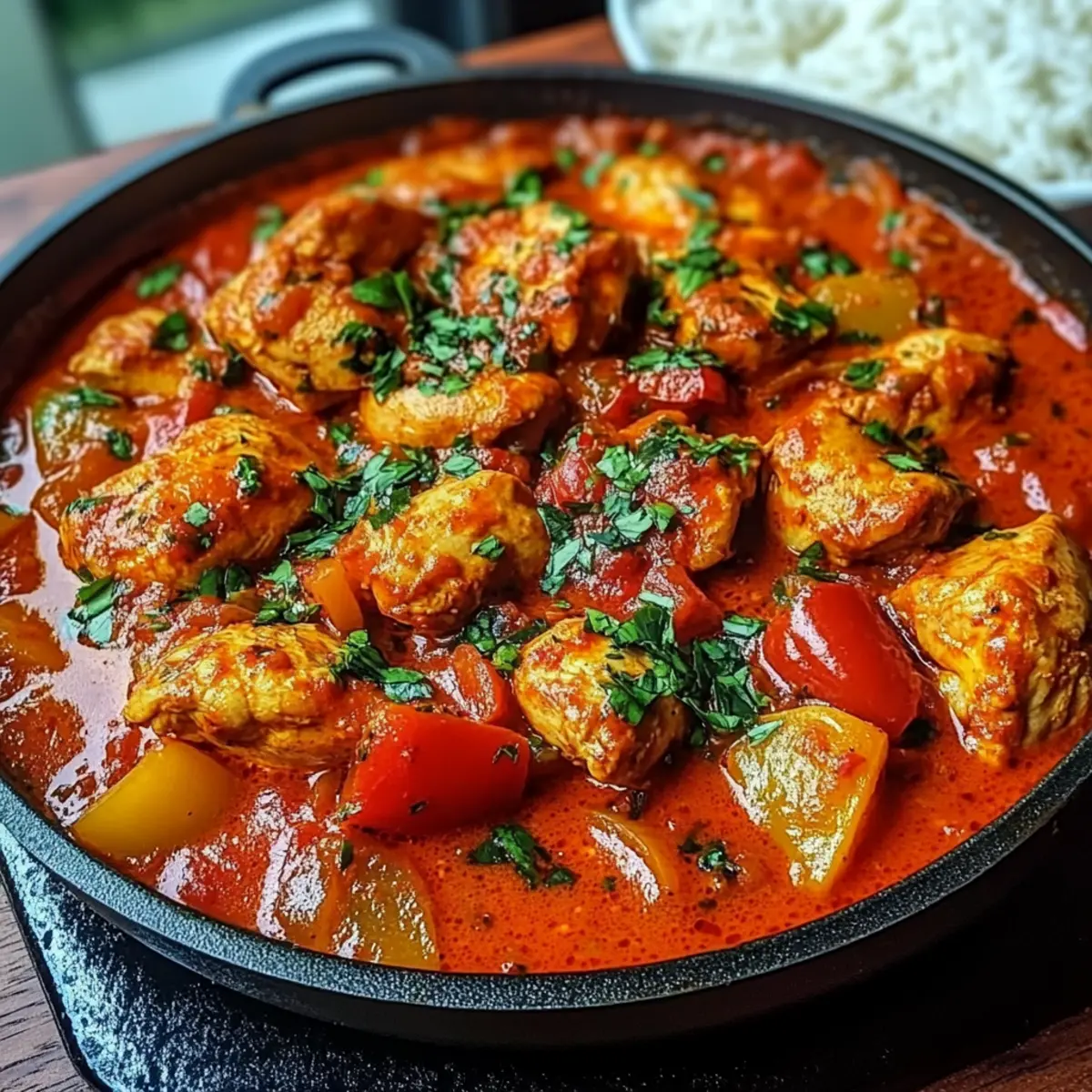
Why is Nigerian Chicken Stew So Special?
Bold, Flavorful Experience: The rich blend of spices and fresh ingredients creates a tantalizing aroma that fills your kitchen and makes every bite unforgettable.
One-Pot Convenience: This recipe offers the ease of a single pot, saving you time on cleanup without sacrificing flavor.
Versatile Adaptations: Whether you prefer bone-in chicken or boneless, spicy or mild, there’s room for customization that suits your taste.
Nourishing Comfort: Packed with tender chicken and vibrant veggies, it’s the kind of dish that warms your heart and soul.
Quick and Easy: Perfect for busy evenings, you can whip this up in under an hour, making it a go-to for any night of the week.
Serve it alongside fluffy rice, and you’ll have a crowd-pleasing meal that rivals even the best takeout. For more delightful chicken recipes, check out Fiery Chicken Ramen or Honey Pepper Chicken.
Nigerian Chicken Stew Ingredients
• Prepare to embark on a culinary adventure with this vibrant dish!
For the Chicken
- 2.5 lbs bone-in chicken thighs or drumsticks – Provides depth of flavor and tenderness; boneless thighs may reduce cooking time.
- 1 tsp salt – Enhances the flavors of other ingredients; adjust according to taste.
- 1/2 tsp black pepper – Adds subtle heat; can be omitted for less spice.
For the Spices
- 1 tsp paprika – Provides warmth and color; smoked paprika can add a different depth of flavor.
- 1 tsp curry powder – Contributes earthy spiciness typical of Nigerian cuisine; substitute with garam masala for a variation.
- 1 tsp thyme – Offers herbal notes; dried thyme recommended, but fresh is also an option.
For the Vegetables
- 1 onion, chopped – Adds sweetness and depth; yellow or red onion works well.
- 4 large Roma tomatoes – Forms the stew base, adding acidity and freshness; substitute with canned tomatoes if needed.
- 1 red bell pepper – Provides sweetness and color; yellow or orange bell pepper is a good substitute.
- 1 small red onion – Adds an extra layer of flavor when blended; shallots can be used instead.
- 2 scotch bonnet peppers – Delivers heat; adjust quantity based on your spice tolerance—use 1 for a milder stew.
For the Sauce
- 2 tbsp tomato paste – Deepens the richness of the stew; omit if using an excess of fresh tomatoes.
- 1 tsp garlic powder – Enhances umami flavor; fresh garlic can be used instead.
- 1 tsp ginger powder – Adds warmth and brightness; fresh ginger can substitute for a more vibrant flavor.
- 1 bouillon cube (Maggi or Knorr) – Intensifies savory notes; substitute with vegetable broth for a lighter flavor.
- Salt to taste – For final seasoning adjustments.
These ingredients come together to create a remarkable Nigerian Chicken Stew that’s likely to become a beloved staple in your home!
Step‑by‑Step Instructions for Nigerian Chicken Stew
Step 1: Marinate Chicken
In a large bowl, combine 2.5 lbs of bone-in chicken thighs or drumsticks with 1 tsp salt, 1/2 tsp black pepper, 1 tsp paprika, 1 tsp curry powder, 1 tsp thyme, and 1 chopped onion. Mix well to ensure the chicken is evenly coated. Allow the chicken to marinate for at least 30 minutes to absorb all the flavors for your delicious Nigerian Chicken Stew.
Step 2: Sear Chicken
Heat 1/4 cup vegetable oil in a deep pot over medium-high heat until shimmering. Carefully add the marinated chicken pieces, searing them for about 5-7 minutes on each side or until they turn golden brown. This step adds a rich flavor to your stew base. Once browned, remove the chicken and set it aside on a plate.
Step 3: Prepare Stew Base
In a blender, combine 4 large Roma tomatoes, 1 red bell pepper, 1 small red onion, and 2 scotch bonnet peppers. Blend the mixture until smooth. This vibrant blend will form the heart of your Nigerian Chicken Stew, giving it both body and flavor. Set aside for the next step.
Step 4: Cook Tomato Paste
In the same pot used to sear the chicken, add 2 tbsp of tomato paste over medium heat. Stir and fry it for about 2 minutes, allowing it to caramelize slightly. This enhances the stew’s depth of flavor, creating a wonderful aromatic base for your Nigerian Chicken Stew.
Step 5: Simmer Sauce
Pour the blended tomato mixture into the pot with the cooked tomato paste. Bring the sauce to a gentle simmer, cooking it for approximately 10 minutes. Let it thicken and deepen in color, stirring occasionally, to build a rich, flavorful sauce for your Nigerian Chicken Stew.
Step 6: Season Sauce
Stir in 1 tsp garlic powder, 1 tsp ginger powder, and 1 bouillon cube to the simmering sauce. Add additional salt to taste as you mix everything well. Allow the sauce to simmer for another 5 minutes so the spices meld together beautifully, enhancing the flavor profile of your stew.
Step 7: Combine Chicken and Sauce
Return the seared chicken pieces to the pot with the simmering sauce. Cover the pot and reduce the heat to low. Let the stew simmer gently for about 25-30 minutes or until the chicken is tender and cooked through. Keep an eye on the pot to ensure it doesn’t stick or burn while developing those comforting flavors typical of a Nigerian Chicken Stew.
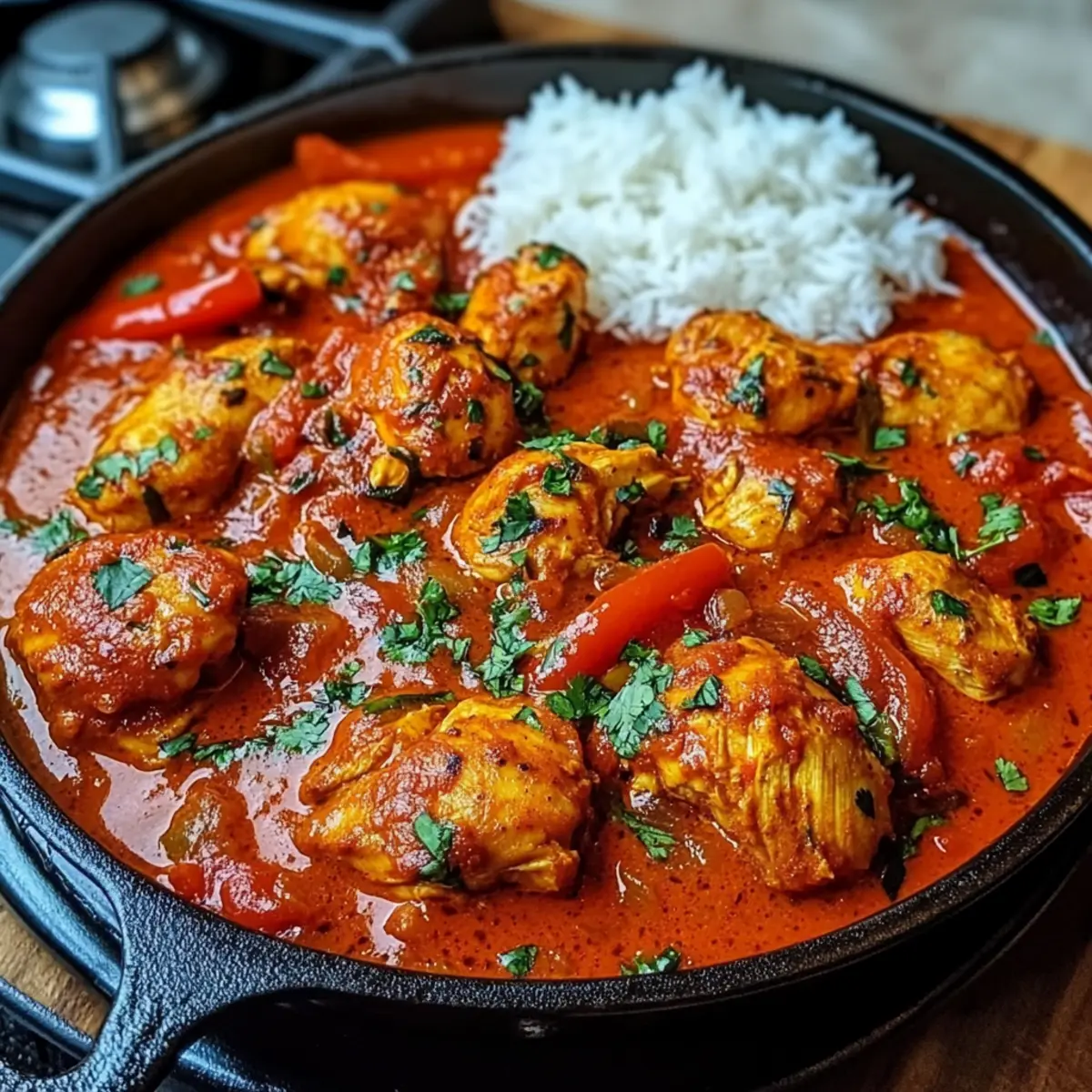
Storage Tips for Nigerian Chicken Stew
Fridge: Store leftover Nigerian Chicken Stew in an airtight container for up to 4 days. This allows the flavors to meld even more, enhancing the dish’s richness.
Freezer: For longer storage, freeze portions in airtight containers for up to 2 months. Make sure to label with the date for easy reference.
Reheating: When ready to enjoy, thaw in the fridge overnight and reheat on the stovetop over low heat, adding a splash of water or broth if needed to reach the desired consistency.
Meal Prep: Consider making this stew ahead of time; it tastes even better the next day after the spices have had time to develop.
What to Serve with Nigerian Chicken Stew
Elevate your dining experience with perfect pairings that complement the rich flavors of this comforting dish.
-
Fluffy White Rice: A classic companion, its neutral flavor soaks up the stew beautifully, balancing the spice.
-
Couscous: Light and fluffy, couscous adds a delightful texture that enhances each sip of the savory sauce. It’s also an easy option for busy nights.
-
Naan Bread: Perfect for dipping, this soft and warm flatbread adds a touch of aromatic goodness that pairs wonderfully with the stew’s richness.
-
Plantains: Sweet, fried plantains provide a delightful contrast to the stew’s savory notes and add a touch of sweetness to your meal. Their caramelized edges offer a lovely texture.
-
Steamed Vegetables: Crunchy fresh veggies brighten up your plate, adding color and crunch as a refreshing side.
-
Yam Porridge: Hearty and comforting, this dish’s creamy texture complements the spiciness of the stew while adding a satisfying base.
-
Chilled Nigerian Malt Drink: An excellent cold drink option, its sweetness balances the heat of the chili and enhances the overall dining experience.
-
Tropical Fruit Salad: After a rich meal, a light fruit salad with pineapple and mango provides a refreshing finish, cleansing the palate.
Expert Tips for Nigerian Chicken Stew
-
Choose the Right Chicken: Bone-in chicken thighs or drumsticks work best for maximum flavor and tenderness. Boneless thighs cook quicker, but they might lack depth.
-
Adjust the Heat: If you’re unsure about spice, start with one scotch bonnet pepper and gradually increase based on your taste preference—nobody likes a stew that’s too fiery!
-
Don’t Rush the Marinade: Marinating the chicken for at least 30 minutes (or longer if time permits) allows the spices to infuse deeply, giving your stew a more robust flavor.
-
Check Consistency: If your stew becomes too thick, simply stir in a splash of water or broth to loosen it. Remember, you want that perfect sauciness for soaking into rice!
-
Fresh Ingredients Matter: Use the ripest tomatoes and freshest peppers you can find—the quality of your produce can make or break your Nigerian Chicken Stew.
-
Taste as You Go: Remember to taste and adjust the seasonings before serving. A little extra salt can enhance those heartwarming flavors just right!
Nigerian Chicken Stew Variations
Feel free to make this vibrant dish your own with these easy and delicious variations!
- Dairy-Free: Replace any butter or cream with coconut milk for a creamy twist without dairy.
- Vegetarian: Substitute chicken with hearty vegetables like eggplant and zucchini, adjusting spices for depth.
- Heat Level: Start with one less scotch bonnet pepper if you prefer a milder stew, adding more if you want a kick.
- Extra Veggies: Toss in some chopped carrots or green beans during simmering for added nutrition and texture. They blend beautifully into the stew.
- All-in-One Meal: Add uncooked rice directly into the pot along with the chicken during the simmer phase to infuse flavor throughout the grains.
- Cajun Twist: Incorporate Cajun seasoning in place of curry powder for a new flavor profile, reminiscent of a warm Southern dish.
- Sweet & Spicy: For a sweet contrast, toss in a tablespoon of honey or maple syrup towards the end of cooking.
- Hearty Beans: Exchange some of the chicken for black beans for a fiber boost while keeping the stew satisfying.
By experimenting with these variations, you can create a whole new experience each time you make this beloved dish. And if you’re looking for more delightful chicken recipes, don’t miss out on the delicious Sticky Garlic Chicken or the creamy goodness of Garlic Parmesan Chicken!
Make Ahead Options
These Nigerian Chicken Stew preparations are perfect for busy home cooks looking to save time! You can marinate the chicken (2.5 lbs of bone-in thighs or drumsticks) up to 24 hours in advance, allowing flavors to develop. Additionally, you can blend the stew base (4 Roma tomatoes, 1 red bell pepper, small red onion, and scotch bonnet peppers) and refrigerate it for up to 3 days. When you’re ready to serve, simply sear the marinated chicken, cook the tomato paste, and add the prepped stew base. Finish by simmering everything together as specified, resulting in a delicious, comforting meal that tastes just as fabulous as when made fresh!
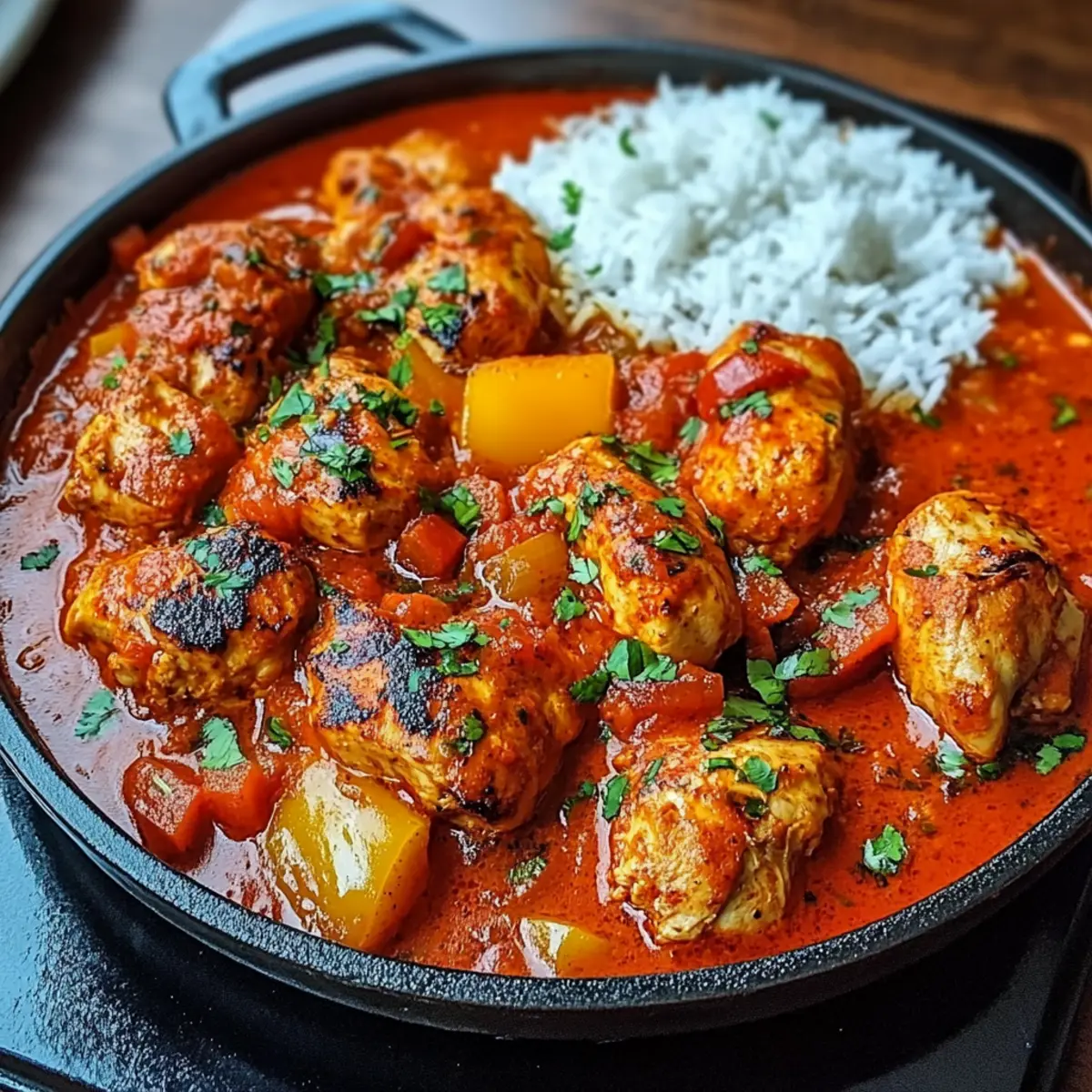
Nigerian Chicken Stew Recipe FAQs
What type of chicken should I use for Nigerian Chicken Stew?
Absolutely! Using bone-in chicken thighs or drumsticks is recommended for the best flavor and tenderness. However, if you’re in a hurry, boneless thighs can also work—they’ll reduce cooking time but might sacrifice some depth of taste.
How do I store leftover Nigerian Chicken Stew?
After allowing the stew to cool, store it in an airtight container in the fridge for up to 4 days. This rest period allows all those flavors to meld even more, making it taste even better when you reheat it!
Can I freeze Nigerian Chicken Stew?
Yes! For freezing, pour cooled stew into airtight containers or freezer bags, making sure to date them. It can be frozen for up to 2 months. When you’re ready to enjoy it, thaw overnight in the fridge and reheat on the stovetop, adding a splash of water or broth if the texture thickens too much.
How can I adjust the spice level in the stew?
The more the merrier! If you prefer a milder stew, start by using just one scotch bonnet pepper. Taste as it simmers, and if you crave more heat, you can add an additional pepper or crushed red pepper flakes as desired.
Are there any dietary considerations I should keep in mind?
Very! If you have specific dietary needs, feel free to substitute ingredients. For instance, use vegetable broth instead of chicken bouillon for a vegetarian option. Also, make sure to consult with allergy needs, as this recipe contains peppers and spices that some may be sensitive to.
What should I do if my stew thickens too much?
If your stew becomes too thick while cooking, simply stir in a splash of water or broth and mix well until it reaches your desired consistency. It’s all about making sure the dish is perfect for soaking into rice, so don’t hesitate to adjust as needed!
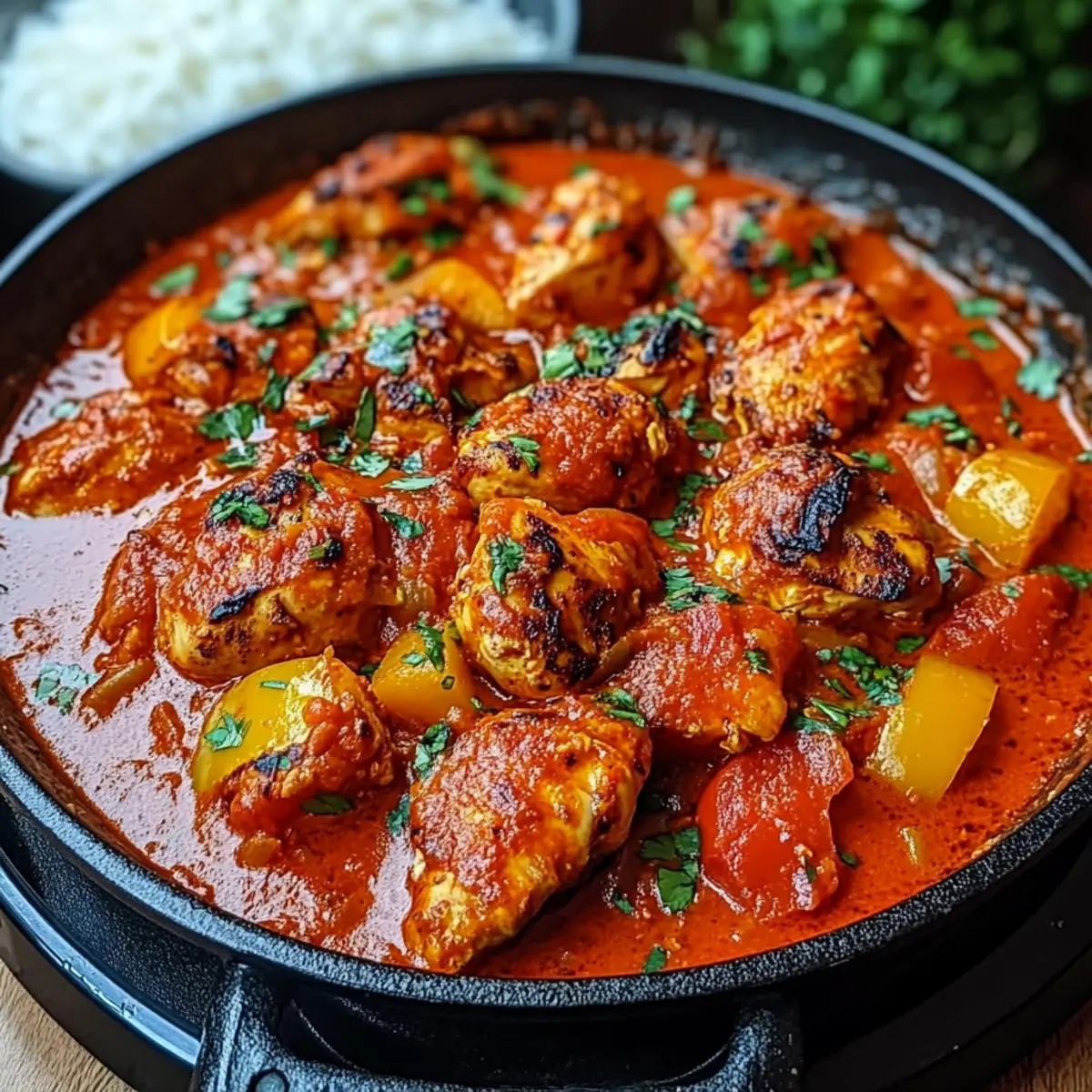
Nigerian Chicken Stew: A Cozy One-Pot Wonder You’ll Love
Ingredients
Equipment
Method
- In a large bowl, combine chicken with salt, black pepper, paprika, curry powder, thyme, and chopped onion. Mix and marinate for at least 30 minutes.
- Heat vegetable oil in a deep pot over medium-high heat. Add marinated chicken, searing for 5-7 minutes on each side until golden brown. Remove chicken and set aside.
- In a blender, combine tomatoes, red bell pepper, small red onion, and scotch bonnet peppers. Blend until smooth.
- In the same pot used to sear chicken, add tomato paste and stir-fry for about 2 minutes over medium heat.
- Pour the blended tomato mixture into the pot and bring to a gentle simmer for approximately 10 minutes.
- Stir in garlic powder, ginger powder, and bouillon cube. Add additional salt to taste and simmer for another 5 minutes.
- Return the seared chicken to the pot, cover, and reduce heat to low. Let it simmer for 25-30 minutes.
Leave a Reply