
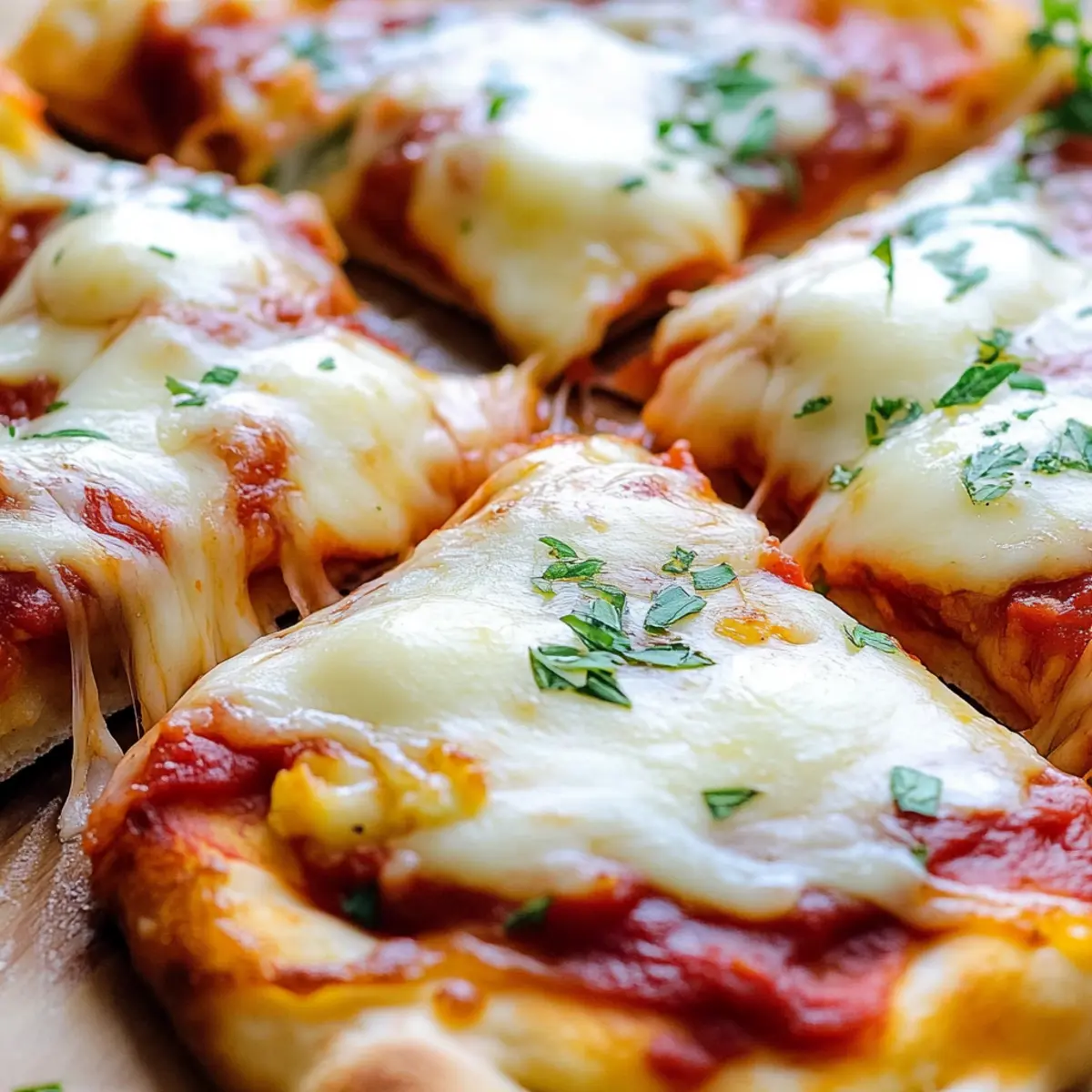
As I rolled out the dough, a comforting aroma filled my kitchen, reminiscent of pizzerias on a sun-drenched Italian street. This Homemade Vegan Pizza with Creamy Cauliflower Mozzarella is my go-to comfort dish, and it’s so satisfying to prepare from scratch. Packed with nutrients and entirely guilt-free, this pizza is nut-free, soy-free, gluten-free, and oil-free—perfect for those looking to indulge without the heavy aftermath. Plus, the flaky, golden crust supports the stretchy, creamy mozzarella that elevates this dish to a whole new level. Have you thought about creating a pizza that lives up to your health goals while still feeling indulgent? Let’s dive into this deliciously easy recipe!

Why Make Homemade Vegan Pizza?
Satisfying Creativity: This recipe allows you to explore your culinary talents by crafting a delightful pizza from scratch, complete with your own toppings and a unique herb blend.
Health-Conscious Choice: Enjoy a guilt-free indulgence with nut-free, soy-free, and gluten-free options that cater to various dietary needs, making it a smart alternative to typical fast food.
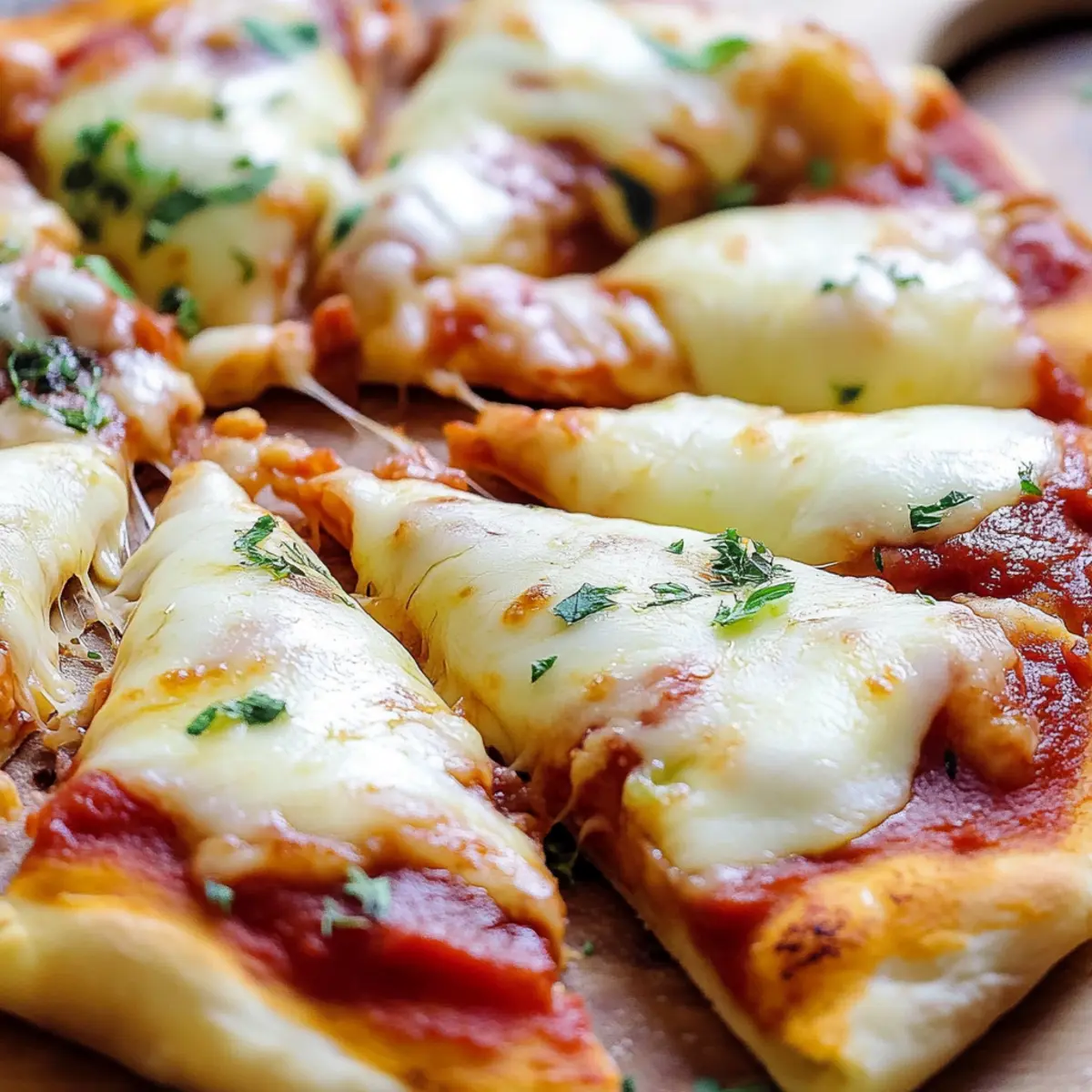
Rich, Creamy Texture: The vegan mozzarella, made from cauliflower, offers a savory, stretchy consistency that mimics traditional cheese without any dairy—perfect for the cheese lover in you!
Time-Saving Option: With minimal prep time and straightforward steps, making this homemade vegan pizza is a quick and easy way to satisfy your cravings, even on a busy weeknight. Feel free to top it with your favorite veggies or experiment like I did when making my Honey Flatbread Pizza!
Homemade Vegan Pizza Ingredients
For the Dough
• Flour – Provides structure and base for the dough; substitute with gluten-free all-purpose flour if needed.
• Yeast (2 ¼ teaspoons / 7g) – Activates the dough for rising; ensure the water temperature is correct (110-115°F).
• Sugar (1 tablespoon) – Feeds the yeast for activation; can substitute with agave syrup for a sweeter touch.
• Olive oil (1 ½ tablespoons) – Adds flavor and moisture to the dough; omit for oil-free version.
• Warm water (1 cup) – Hydrates the dough; use filtered water for best flavor.
• Salt (½ teaspoon) – Enhances flavor; adjust to taste.
For the Vegan Mozzarella
• Cauliflower (½ head / 10.5 ounces / 300g) – Base ingredient for the cheese, providing volume and texture; frozen cauliflower can be used.
• Tapioca flour (3.5 tablespoons) – Critical for achieving a gooey, stretchy texture; omitting will alter the mouthfeel.
• Nutritional yeast (1 tablespoon) – Adds a cheesy flavor; omit if allergic; the cheese remains creamy without it.
• Non-dairy milk (½ cup, unsweetened) – Binds the cheese mixture; almond or cashew milk works well; avoid coconut for sweetness.
For the Sauce
• Tomato sauce (¾ cup) – Base sauce for the pizza; opt for a higher-quality sauce for better flavor.
• Garlic powder (¼ teaspoon) – Adds depth to the sauce; adjust based on preference.
• Parsley (¼ teaspoon) – Freshens the flavor profile; feel free to use dried or fresh.
• Oregano (¼ teaspoon) – Classic pizza herb that enhances overall flavor; substitute with Italian seasoning if desired.
• Red pepper flakes (pinch) – Provides a mild kick; adjust according to your spice tolerance.
With these Homemade Vegan Pizza ingredients, you’re well on your way to creating a delightful dish that will satisfy your cravings while keeping it healthy and guilt-free!
Step‑by‑Step Instructions for Homemade Vegan Pizza with Creamy Cauliflower Mozzarella
Step 1: Prepare Dough
Begin by warming 1 cup of filtered water to 110-115°F, ideal for activating the yeast. In a mixing bowl, combine the warm water with 1 tablespoon of sugar and 2 ¼ teaspoons of yeast. Let this mixture sit for about 10 minutes until it becomes foamy, which indicates that the yeast is activated and ready to help your dough rise.
Step 2: Mix Ingredients
In a large bowl, combine half of your flour with ½ teaspoon of salt. After the yeast mixture is frothy, pour it into the flour mix along with 1 ½ tablespoons of olive oil (if using). Gradually mix in the remaining flour until a sticky dough forms. This will be the base of your Homemade Vegan Pizza, rich in texture and flavor.
Step 3: Knead Dough
On a lightly floured surface, knead the dough for about 5-7 minutes until it becomes smooth and elastic. If it’s too sticky, sprinkle in additional flour as needed. Once kneaded, transfer the dough to a lightly oiled bowl, cover it with a clean towel, and let it rise in a warm spot for about 1 hour, or until it has doubled in size.
Step 4: Prepare Vegan Mozzarella
While the dough rises, bring a pot of water to a boil and cook ½ head of cauliflower until tender, which should take about 8-10 minutes. Once cooked, drain the cauliflower and blend it with 3.5 tablespoons of tapioca flour, 1 tablespoon of nutritional yeast, a pinch of salt, and ½ cup of unsweetened non-dairy milk. Blend until you have a perfectly smooth mixture—the creamy base for your pizza cheese.
Step 5: Cook Cheese
Transfer the blended cauliflower mixture into a saucepan and cook over medium heat for about 5-7 minutes. Keep stirring constantly until the mixture thickens and becomes stretchy. This step is crucial for achieving that creamy, gooey texture in your Homemade Vegan Pizza that so closely mimics traditional cheese.
Step 6: Prepare Sauce
In a bowl, mix ¾ cup of tomato sauce with ¼ teaspoon each of garlic powder, parsley, oregano, and a pinch of red pepper flakes. Stir well to ensure the flavors blend nicely. This sauce will create a flavorful base for your pizza, enhancing the overall taste when baked.
Step 7: Bake Pizza
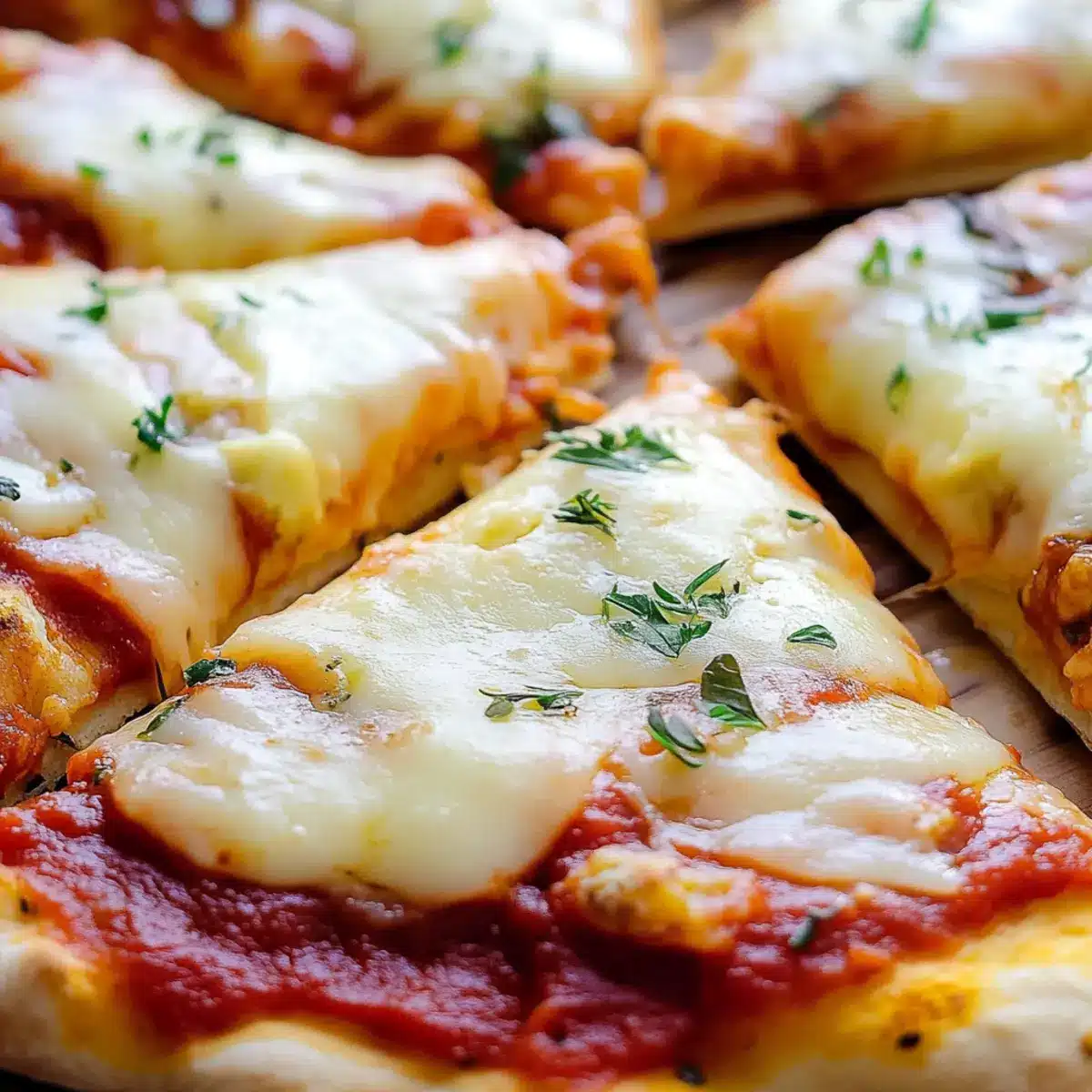
Preheat your oven to 450°F. On a lightly floured surface, roll out your risen dough to your desired thickness. Place it on a greased baking sheet or pizza stone. Pre-bake the crust for 7 minutes until it looks slightly set. Remove from the oven and generously spread the prepared tomato sauce over the crust, followed by dollops of your stretchy vegan mozzarella. Bake again for another 10-15 minutes, or until the crust is golden and the cheese is bubbling.
Expert Tips for Homemade Vegan Pizza
• Perfect Dough Activation: Ensure your water temperature is between 110-115°F; too hot can kill the yeast, leading to a dense crust instead of a fluffy one in your Homemade Vegan Pizza.
• Tapioca Flour Essential: Do not skip the tapioca flour in the vegan mozzarella! It’s crucial for achieving that gooey, stretchy texture that brings joy to every bite.
• Adjusting Stickiness: If your dough feels too sticky while kneading, gradually add flour until it reaches a smooth and pliable consistency; this will help in shaping the pizza.
• Quality Tomato Sauce: Invest in a good quality tomato sauce for richer flavor; a bland sauce can make your pizza less enjoyable and compromise the overall taste.
• Creative Toppings: Feel free to add sautéed vegetables or cooked lentils on top of your vegan mozzarella before baking; this adds nutrition and personal flair to your Homemade Vegan Pizza!
• Crispy Crust Tip: For an extra crispy crust, pre-bake your dough for 7 minutes before adding sauce and cheese; it ensures your crust doesn’t get soggy.
Make Ahead Options
These Homemade Vegan Pizzas are perfect for meal prep enthusiasts! You can prepare the dough up to 24 hours in advance by following steps 1-3 and storing it in the refrigerator, covered with cling film to prevent drying out. The creamy cauliflower mozzarella can also be made ahead of time and stored in an airtight container for up to 3 days. Just be sure to reheat it gently on the stove before using to maintain its gooey texture. When you’re ready to serve your pizza, roll out the dough, add your tomato sauce, and top with the reheated vegan mozzarella. Bake as directed and enjoy restaurant-quality results with minimal effort!
What to Serve with Homemade Vegan Pizza?
Elevate your pizza night by pairing this delicious homemade creation with delightful sides and beverages that enhance every bite.
-
Garlic Bread: The warm, buttery flavor of garlic bread is a perfect companion, allowing you to savor every last bit of that pizza sauce.
-
Mixed Green Salad: A crisp salad with a tangy vinaigrette adds a refreshing contrast to the rich, creamy flavors of the pizza, balancing the meal beautifully.
-
Roasted Vegetables: Seasoned and roasted seasonal veggies bring a smoky flavor and enticing aroma to your table, complementing the pizza’s delightful cheese texture.
-
Olive Tapenade: This zesty spread, full of briny flavors, makes a lovely dip for your crust or can be served atop slices, offering a Mediterranean twist.
-
Chili Oil: Drizzling your pizza with chili oil or a sprinkle of red pepper flakes ignites the dish with warmth, enticing those who love a spicy kick.
-
Vegan Cheese Board: Featuring a variety of vegan cheeses and delicious crackers, this interactive option can engage guests while contrasting with the rich pizza flavors.
-
Fresh Basil Leaves: Add a burst of flavor by topping your pizza with freshly torn basil leaves right before serving—they’ll add a fragrant note that sings of summer!
-
Sparkling Water with Lime: This refreshing drink can cleanse your palate and add a touch of brightness alongside your meal, making each bite even more enjoyable.
-
Chocolate Avocado Mousse: For dessert, indulge in this creamy, velvety treat that provides a luscious end to your meal while staying true to your health goals.
How to Store and Freeze Homemade Vegan Pizza
Fridge: Store leftover slices in an airtight container for up to 3 days. Use parchment paper between layers to prevent sticking and maintain the crust’s texture.
Freezer: For longer storage, wrap portions tightly in plastic wrap and then foil to avoid freezer burn. They can be frozen for up to 2 months.
Reheating: Reheat in the oven at 375°F for about 10-15 minutes until heated through and the crust is crispy again. Avoid microwaving to maintain that delicious Homemade Vegan Pizza texture!
Homemade Vegan Pizza Variations
Feel free to explore these delightful twists that elevate your pizza experience and cater to your taste buds.
- Vegetable Medley: Top your pizza with sautéed vegetables like bell peppers, mushrooms, or spinach for added nutrition and flavor. Each bite bursts with a medley of textures, making every slice a surprise!
- Herbed Crust: Mix dried herbs like basil or oregano directly into your dough for an aromatic crust. A simple addition that turns the base into a flavor-packed delight.
- Smoky Flavor: Add a sprinkle of smoked paprika or liquid smoke to your vegan mozzarella for a delicious, smoky twist. This will bring a whole new dimension that is both intriguing and satisfying.
- Spicy Kick: Incorporate jalapeños or a drizzle of your favorite hot sauce on top of your pizza. This fiery addition will heat things up and add an exciting zing to each slice!
- Cheezier Option: Increase the nutritional yeast in your vegan mozzarella for a cheesier flavor without any dairy! You’ll appreciate how this subtle change makes a big difference in the richness.
- Protein Boost: Replace traditional pizza toppings with chickpeas or lentils for added taste and texture. Not only does this add protein, but it also makes your pizza heartier and more filling!
- Sweet & Savory: Drizzle your finished pizza with agave syrup or balsamic glaze for a sweet contrast to the savory flavors. It adds an unexpected twist that takes your pizza to the next level.
- Pasta Pizza: Transform your lifestyle by using gluten-free pasta as a new topping instead of traditional options; this offers a unique take while staying flavorful. It’s a fun way to give pizza night a playful twist!
After you’ve enjoyed this homemade vegan pizza, why not check out my Taco Pizza Heaven for another delicious recipe or explore my Muffin Breakfast Pizzas for a fun breakfast option? Your culinary adventure doesn’t have to end here!
Homemade Vegan Pizza with Creamy Cauliflower Mozzarella Recipe FAQs
How do I choose the right ripeness for the cauliflower?
Absolutely! When selecting cauliflower for the vegan mozzarella, look for heads that are firm, without any dark spots or blemishes. The florets should be tightly packed. Avoid any that have limp leaves or yellowing, as this indicates that the cauliflower has started to spoil.
What is the best way to store leftover homemade vegan pizza?
Very easy! Store any leftover slices in an airtight container and place them in the fridge, where they will stay fresh for up to 3 days. To maintain the texture of the crust, I recommend placing parchment paper between the slices to prevent sticking.
Can I freeze my homemade vegan pizza?
You can certainly freeze it! Wrap portions tightly in plastic wrap followed by aluminum foil to prevent freezer burn. Your Homemade Vegan Pizza will keep well in the freezer for up to 2 months. Make sure to label the packaging with the date for easy tracking!
What if my dough is too sticky?
No problem! If your dough feels sticky while kneading, gradually add more flour a tablespoon at a time until it reaches a smooth, pliable consistency. Don’t worry—it’s perfectly normal for the dough to be tacky, especially if the humidity in your kitchen is high. Find that sweet spot where it’s slightly tacky but manageable.
Is this pizza suitable for those with allergies?
Definitely! This Homemade Vegan Pizza is nut-free, soy-free, gluten-free, and oil-free, making it an excellent choice for individuals with these dietary restrictions. If you’re using non-dairy milk, just make sure to choose one that aligns with any additional allergies, like almond or cashew milk.
How do I ensure my yeast activates properly?
Great question! For optimal yeast activation, warm the water to a temperature between 110-115°F. If you have a thermometer, use it to check. If you don’t, the water should feel warm to the touch but not hot. Stir in the sugar and let it sit for about 10 minutes until it becomes foamy—this is a sign that your yeast is alive and ready to help your dough rise.
Irresistible Homemade Vegan Pizza with Creamy Cauliflower Mozzarella
Ingredients
Equipment
Method
- Begin by warming 1 cup of filtered water to 110-115°F, ideal for activating the yeast. In a mixing bowl, combine the warm water with 1 tablespoon of sugar and 2 ¼ teaspoons of yeast. Let this mixture sit for about 10 minutes until it becomes foamy, which indicates that the yeast is activated and ready to help your dough rise.
- In a large bowl, combine half of your flour with ½ teaspoon of salt. After the yeast mixture is frothy, pour it into the flour mix along with 1 ½ tablespoons of olive oil (if using). Gradually mix in the remaining flour until a sticky dough forms.
- On a lightly floured surface, knead the dough for about 5-7 minutes until it becomes smooth and elastic. If it’s too sticky, sprinkle in additional flour as needed. Transfer the dough to a lightly oiled bowl, cover it with a clean towel, and let it rise in a warm spot for about 1 hour, or until it has doubled in size.
- While the dough rises, bring a pot of water to a boil and cook ½ head of cauliflower until tender, which should take about 8-10 minutes. Once cooked, drain the cauliflower and blend it with 3.5 tablespoons of tapioca flour, 1 tablespoon of nutritional yeast, a pinch of salt, and ½ cup of unsweetened non-dairy milk. Blend until you have a perfectly smooth mixture.
- Transfer the blended cauliflower mixture into a saucepan and cook over medium heat for about 5-7 minutes, stirring constantly until the mixture thickens and becomes stretchy.
- In a bowl, mix ¾ cup of tomato sauce with ¼ teaspoon each of garlic powder, parsley, oregano, and a pinch of red pepper flakes. Stir well to ensure the flavors blend nicely.
- Preheat your oven to 450°F. On a lightly floured surface, roll out your risen dough to your desired thickness. Place it on a greased baking sheet or pizza stone. Pre-bake the crust for 7 minutes until it looks slightly set. Remove from the oven and generously spread the prepared tomato sauce over the crust, followed by dollops of your stretchy vegan mozzarella. Bake again for another 10-15 minutes, or until the crust is golden and the cheese is bubbling.
Leave a Reply