
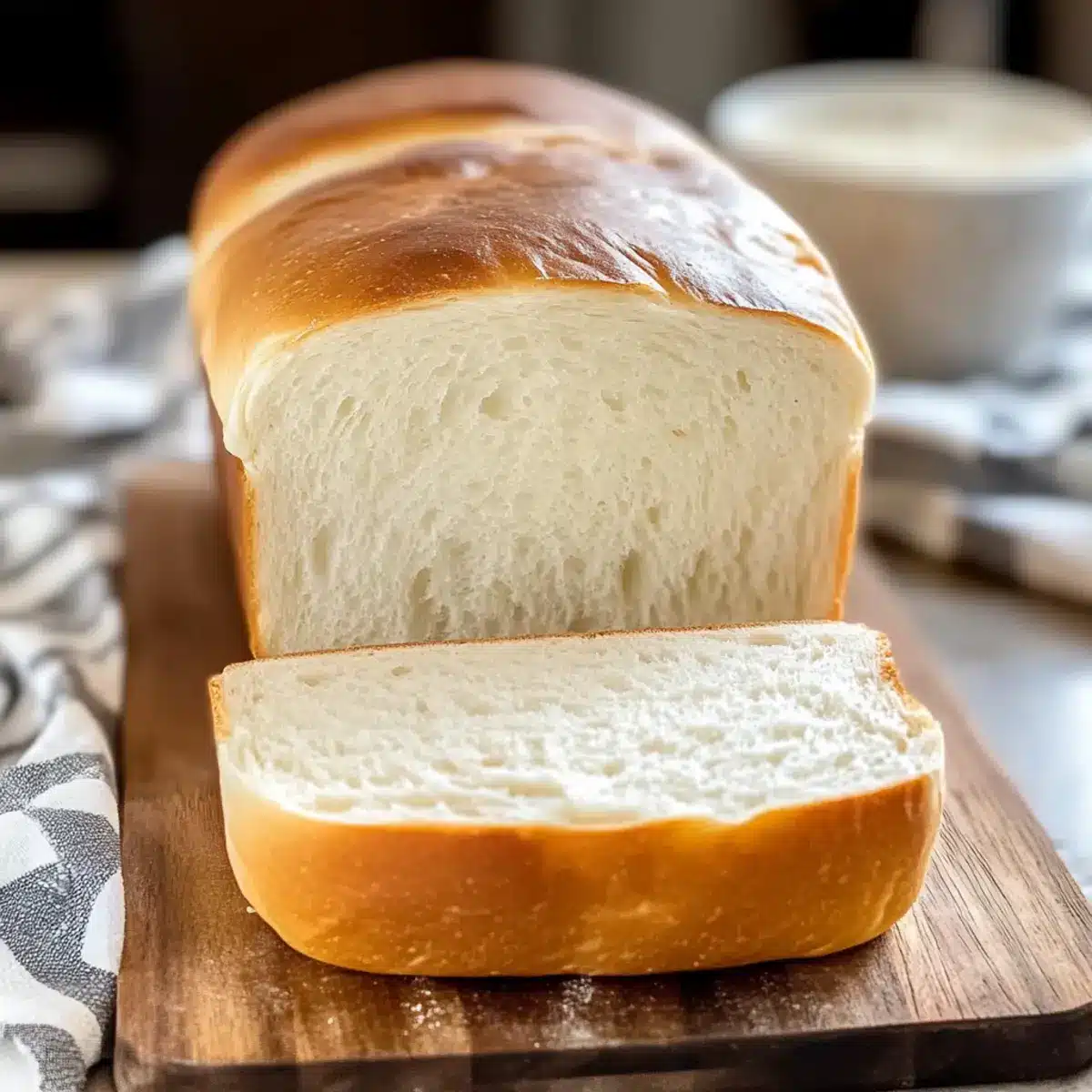
The scent of toasty goodness wafts through the air as I take my first bite of this homemade white bread. With just six simple ingredients, this homemade bread recipe transforms your kitchen into a cozy haven, inviting everyone to gather around the table. Not only is this bread straightforward and quick to prepare, making it a perfect project for both seasoned bakers and eager beginners, but it also emerges soft and fluffy, ideal for sandwiches, breakfast toast, or slathered with butter and jam. What’s more, this recipe is naturally egg-free, dairy-free, and super versatile—allowing for countless variations to tickle your taste buds. Are you ready to roll up your sleeves and create a warm, heartwarming loaf that will make your home feel even more special? Let’s dive into this baking adventure together!
Why Is Homemade Bread So Irresistible?
Aromatic Comfort: The irresistible smell of baking bread fills your home, promising a cozy atmosphere.
Simple Ingredients: Just six pantry staples transform into soft, fluffy loaves that anyone can master, from beginners to seasoned chefs.
Versatile Choices: Whether you’re crafting sandwiches, breakfast toast, or warm, jam-covered slices, this homemade bread adapts effortlessly.
Customizable Delight: Mix in your favorite flavors, like herbs or dried fruits, to create unique variations tailored to your family’s taste.
Time-Saving Joy: Minimal kneading and straightforward steps mean you can enjoy fresh bread without spending hours in the kitchen.
Crowd-Pleasing Staple: Perfect for gatherings or everyday meals, this bread is sure to win over family and friends alike! Don’t forget to try it alongside your favorite Herb Cheese Bread or warm it up with some Hot Honey Flatbread.
Homemade Bread Recipe Ingredients
For the Dough
• Warm Water – Activates yeast; use water around 110°F for optimal results.
• Yeast – Provides leavening for a light texture; ensure the yeast is fresh.
• Sugar/Honey – Adds sweetness and aids in yeast activation; can be substituted with coconut sugar or agave nectar.
• Salt – Enhances flavor and balances the dough; don’t skip it!
• Oil – Contributes moisture and tenderness; can be replaced with melted coconut oil or unsalted butter for extra flavor.
• All-Purpose Flour – Main structure for the bread; whole wheat can be substituted but may require more water.
This Homemade Bread Recipe will bring joy and warmth to your kitchen, making every meal feel special!
Step‑by‑Step Instructions for Homemade Bread Recipe
Step 1: Prepare Yeast
In a large mixing bowl, combine 1 cup of warm water (about 110°F) with 2 teaspoons of yeast and a pinch of sugar or honey. Stir gently and allow the mixture to rest for 5-10 minutes, until it becomes foamy. This foamy reaction indicates that your yeast is alive and ready to create that delightful lift in your homemade bread.
Step 2: Mix Dry Ingredients
Once the yeast is activated, add 2 tablespoons of sugar or honey, 1 teaspoon of salt, and 2 tablespoons of oil to the bowl. Next, gradually mix in 3 cups of all-purpose flour, using a wooden spoon or spatula. Stir until everything is well combined and a shaggy dough forms, which will be the foundation of your soft, fluffy loaves.
Step 3: Knead Dough
Turn the dough onto a lightly floured surface and start kneading. To do this, fold the dough over itself and push it down with the heel of your hand. Continue for about 6-8 minutes, or if using a stand mixer, mix with a dough hook for about 5 minutes. You’re aiming for a soft, slightly sticky texture that will spring back when poked, essential for a well-risen loaf.
Step 4: First Rise
Grease a large bowl with oil and place the kneaded dough inside, turning it to coat with oil. Cover the bowl with a clean kitchen towel or plastic wrap, and let it rise in a warm spot for approximately 1½ hours, until it has doubled in size. This is where the magic happens, as the yeast works its wonders and puffs up your dough for perfect homemade bread.
Step 5: Shape Dough
Once the dough has risen, gently punch it down to release the air. Divide the dough into two equal pieces and shape each piece into a log. Place the shaped logs into greased loaf pans, ensuring they fit snugly. Cover them again with a towel and let them rise for another 45-60 minutes, until they rise above the edge of the pans by about 1 inch. This second rise is crucial for achieving softness in your homemade bread.
Step 6: Bake
Preheat your oven to 350°F. Once risen, it’s time to bake! Place the loaf pans in the oven and bake for 30-33 minutes. You’ll know they are done when the tops are golden brown and they sound hollow when tapped. This is the moment to soak in that irresistible aroma as your homemade bread transforms into a delightful treat.
Step 7: Cool
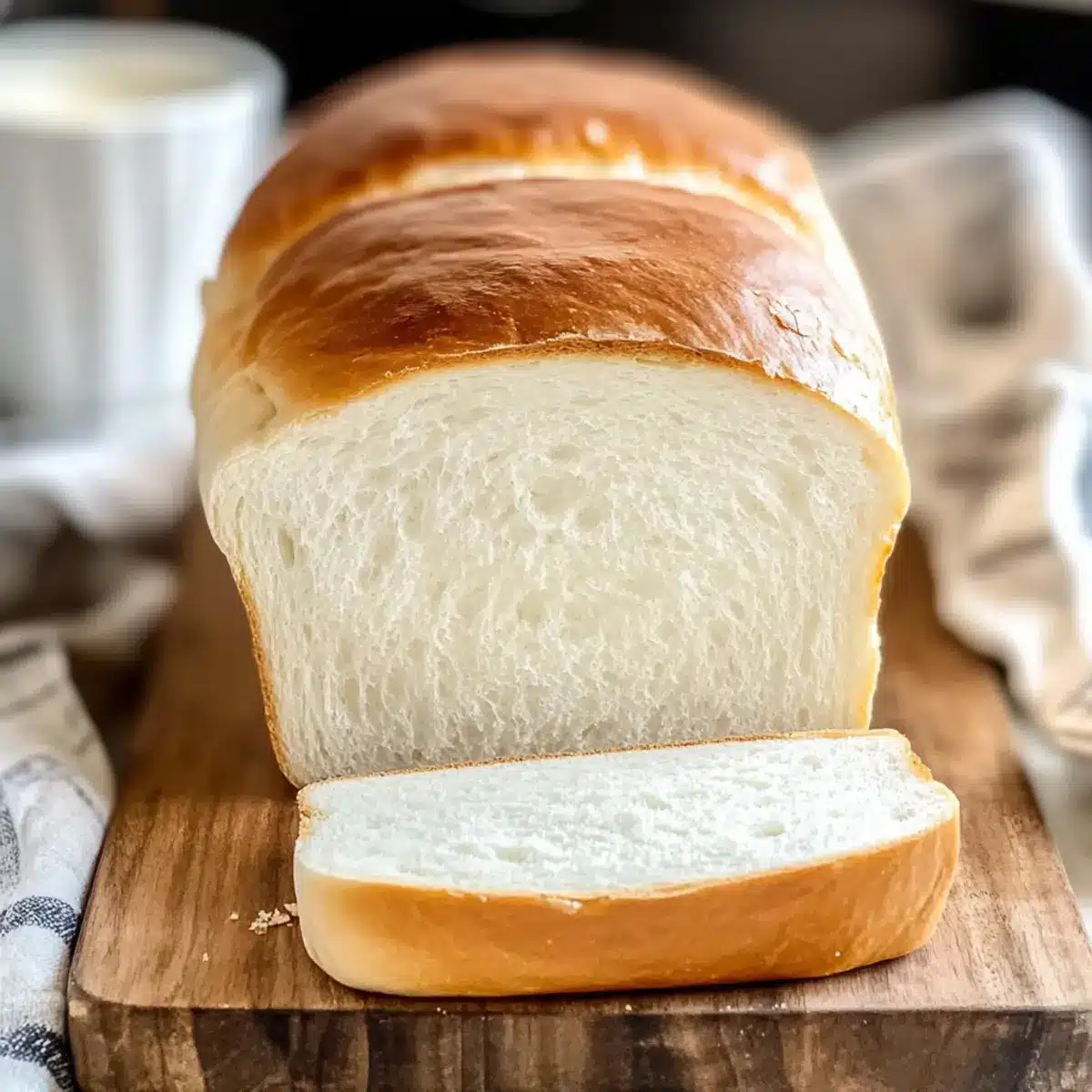
After baking, carefully remove the bread from the pans and let them cool on a wire rack. If desired, you can brush the tops with melted butter for added flavor and shine. Allow the loaves to cool completely before slicing, as this helps solidify the soft texture of your homemade bread, making it perfect for any meal or occasion.
Expert Tips for Homemade Bread Recipe
- Check Water Temperature: Use a thermometer to ensure the water is around 110°F; too hot will kill the yeast, affecting your dough.
- Kneading Matters: Knead until the dough is soft and slightly sticky, not wet. Correct consistency is key for a fluffy loaf in your homemade bread recipe.
- Rise Times: Don’t rush the rising times; yeast needs time to develop flavor and texture. A well-risen dough enhances the final product.
- Shape for Success: Ensure you shape the logs snugly for an even bake. Gaps can lead to uneven rising and a less than aesthetically pleasing loaf.
- Flavor Options: Experiment with herbs, spices, or dried fruits. Adding ingredients during the kneading stage can personalize your homemade bread!
What to Serve with Easiest Homemade White Bread Recipe
As the warm, golden crust beckons your family to the table, the possibilities of what to pair with your homemade bread become endless.
-
Creamy Tomato Soup: The rich, savory flavors of tomato soup create a comforting duo, perfect for dipping your warm, fluffy bread.
-
Garlic Butter Pasta: Tossed in a fragrant garlic butter sauce, this pasta complements the simplicity of homemade bread, inviting a delightful contrast of textures.
-
Simple Garden Salad: A fresh, crisp salad with vibrant greens and tangy dressing balances the warm bread, adding vitality to your meal.
-
Herbed Olive Oil: Serve a small dish of herb-infused olive oil for dipping. The robust flavors enhance the bread, inviting further indulgence.
-
Savory Quiche: A slice of quiche, filled with eggs and your favorite veggies, makes for a satisfying brunch alongside the fluffy loaves.
-
Homemade Jam: Spread a dollop of fruit preserves on warm slices for a sweet touch, showcasing the bread’s versatility at breakfast or tea time.
-
Classic Charcuterie Board: An arrangement of cured meats, cheeses, and olives alongside the homemade bread creates a lovely appetizer or snack platter.
-
Warm Cinnamon Butter: Whipped cinnamon butter spread on warm bread elevates a simple slice into a delightful dessert resembling a sweet hug.
-
Chardonnay: A chilled glass of Chardonnay enhances the meal’s elegance, balancing the rich flavors found in the bread and your food pairings.
-
Classic Vanilla Ice Cream: Serve slices of warm bread with a scoop of vanilla ice cream for a nostalgic dessert that combines warmth and chill in every bite.
Make Ahead Options
These homemade bread recipe options are ideal for busy cooks looking to save time without sacrificing flavor! You can prepare the dough up to 24 hours in advance; simply complete steps 1 through 4, then cover the bowl tightly with plastic wrap and refrigerate. To maintain quality, ensure the dough is not exposed to air, which can dry it out. When you’re ready to bake, remove the dough from the fridge and let it sit at room temperature for about 30 minutes before shaping and proceeding with steps 5 through 7. This allows the dough to become more pliable, ensuring your bread is just as soft and fluffy as if it had been made fresh on the same day!
Storage Tips for Homemade Bread Recipe
Room Temperature: Store the bread in a bread box or covered with a clean kitchen towel for up to 3 days. This helps maintain its soft texture, keeping it freshly inviting.
Freezer: For long-term storage, slice the homemade bread and wrap each slice in plastic wrap, then place them in an airtight container or freezer bag. This preserves freshness for up to 3 months.
Thawing: To enjoy your frozen bread, simply remove the desired number of slices and let them thaw at room temperature. Alternatively, pop them in the toaster for a quick and delightful warm-up.
Reheating: For a cozy experience, reheat the entire loaf in a preheated oven at 350°F for about 10-15 minutes. This refreshes the crust and warms the soft interior, making it perfect for sandwiches or toast!
Homemade Bread Recipe Variations
Customize your homemade bread with these delightful twists that will tickle your taste buds and make every bite special!
- Dairy-Free: Use coconut oil instead of butter for a vegan-friendly loaf without sacrificing moisture.
- Herb-Infused: Stir dried or fresh herbs into the flour to create a savory loaf that pairs beautifully with soups and salads.
- Sweet Addition: Fold in chocolate chips or fresh berries during the mixing phase for a sweet breakfast treat that your loved ones will adore.
- Whole Wheat Twist: Substitute half of the all-purpose flour with whole wheat flour for added nutrition and a heartier texture.
- Cinnamon Bread: Roll the dough with a mix of cinnamon and sugar for a fragrant, dessert-style bread that’s perfect toasted or as a stand-alone treat.
For a fun family project, why not transform your bread into luscious Cinnamon Rolls after mixing the dough? The options are boundless!
- Nutty Delight: Mix in chopped walnuts or almonds for a satisfying crunch that adds both flavor and texture.
- Fruit-Studded: Incorporate dried fruits, like cranberries or raisins, for a naturally sweet addition that enhances both flavor and visual appeal.
Just remember, the magic of baking lies in personalizing your recipe to your family’s taste. Whether you’re creating a simple loaf or exploring a concoction like Shrimp Scampi Bread, enjoy this flavorful journey!
Homemade White Bread Recipe FAQs
What is the best way to select ingredients for this homemade bread?
Absolutely! For warm water, choose a temperature around 110°F to activate the yeast without killing it. Always check that your yeast is fresh; if it’s expired, your bread won’t rise properly. When it comes to flour, all-purpose flour works best, but for a heartier loaf, whole wheat is an option—just keep in mind it may require a bit more water.
How should I store homemade white bread?
For short-term storage, keep the bread at room temperature in a bread box or wrapped in a clean kitchen towel for up to 3 days. This way, it retains that lovely softness. If you want to store it longer, slice the bread and place the slices in an airtight container or freezer bag. It can last for up to 3 months in the freezer!
Can I freeze homemade white bread?
Yes! To freeze, slice your freshly baked loaf after it has completely cooled. Wrap each slice tightly in plastic wrap and place them in a freezer bag or airtight container. When you’re ready to enjoy a slice, simply remove it from the freezer and let it thaw at room temperature or pop it straight into the toaster for a quick warming treat.
What should I do if my dough isn’t rising properly?
Very good question! If your dough fails to rise, it’s often due to either inactive yeast or a temperature that’s either too cold or too hot. Start by checking the yeast; make sure it bubbles when mixed with warm water and sugar. If everything is okay but the kitchen is chilly, consider placing the dough in a warm place, such as an oven preheated for a few minutes and then turned off. A good environment encourages yeast activity, leading to a lovely rise!
Are there any dietary considerations with this homemade bread recipe?
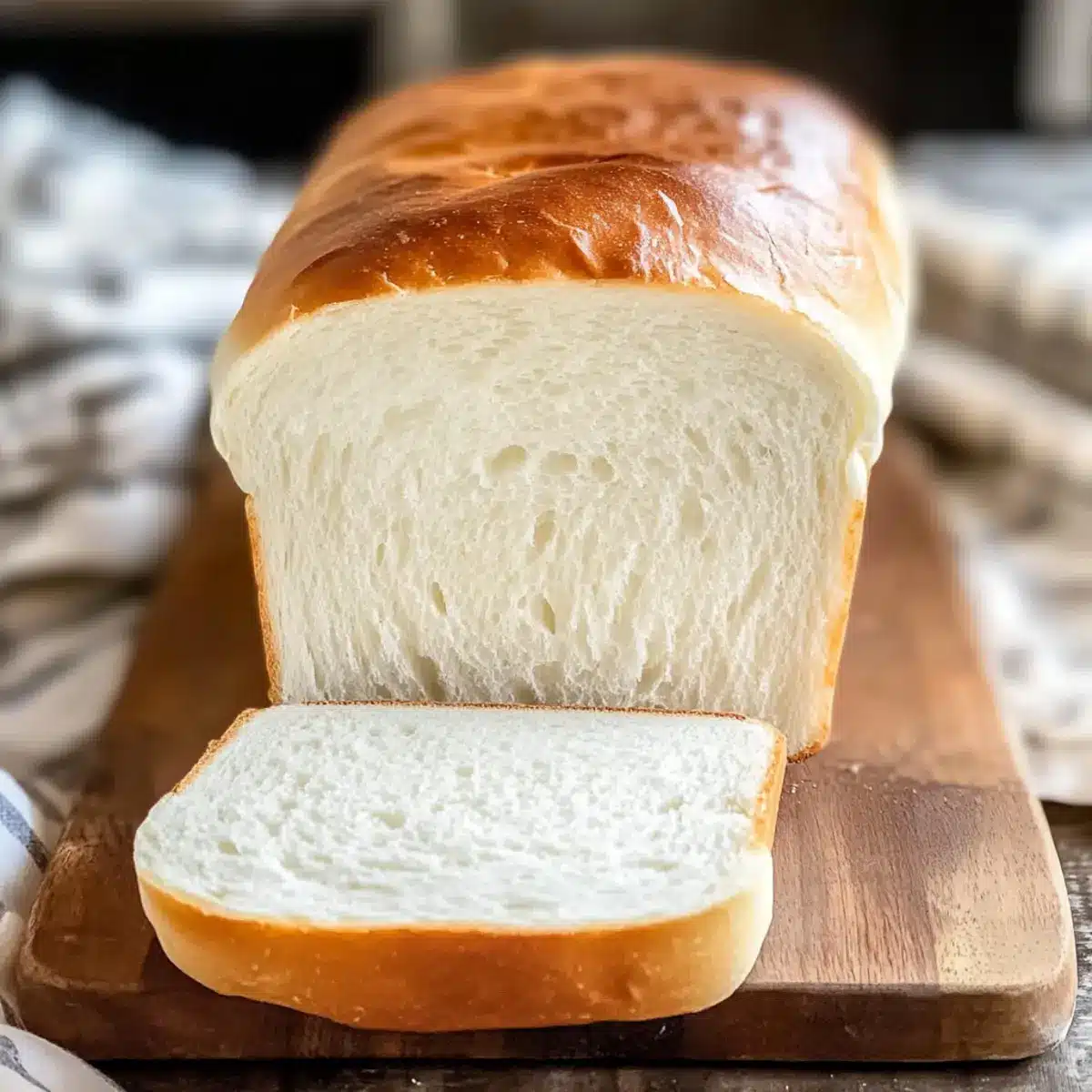
Certainly! This homemade white bread recipe is naturally egg-free, dairy-free, and doesn’t contain any butter, making it suitable for those with related dietary restrictions. If you have gluten allergies, unfortunately, this recipe won’t work since it contains all-purpose flour. Always check the labels of any ingredients, especially the yeast and any alternatives, to ensure they’re safe for your dietary needs.
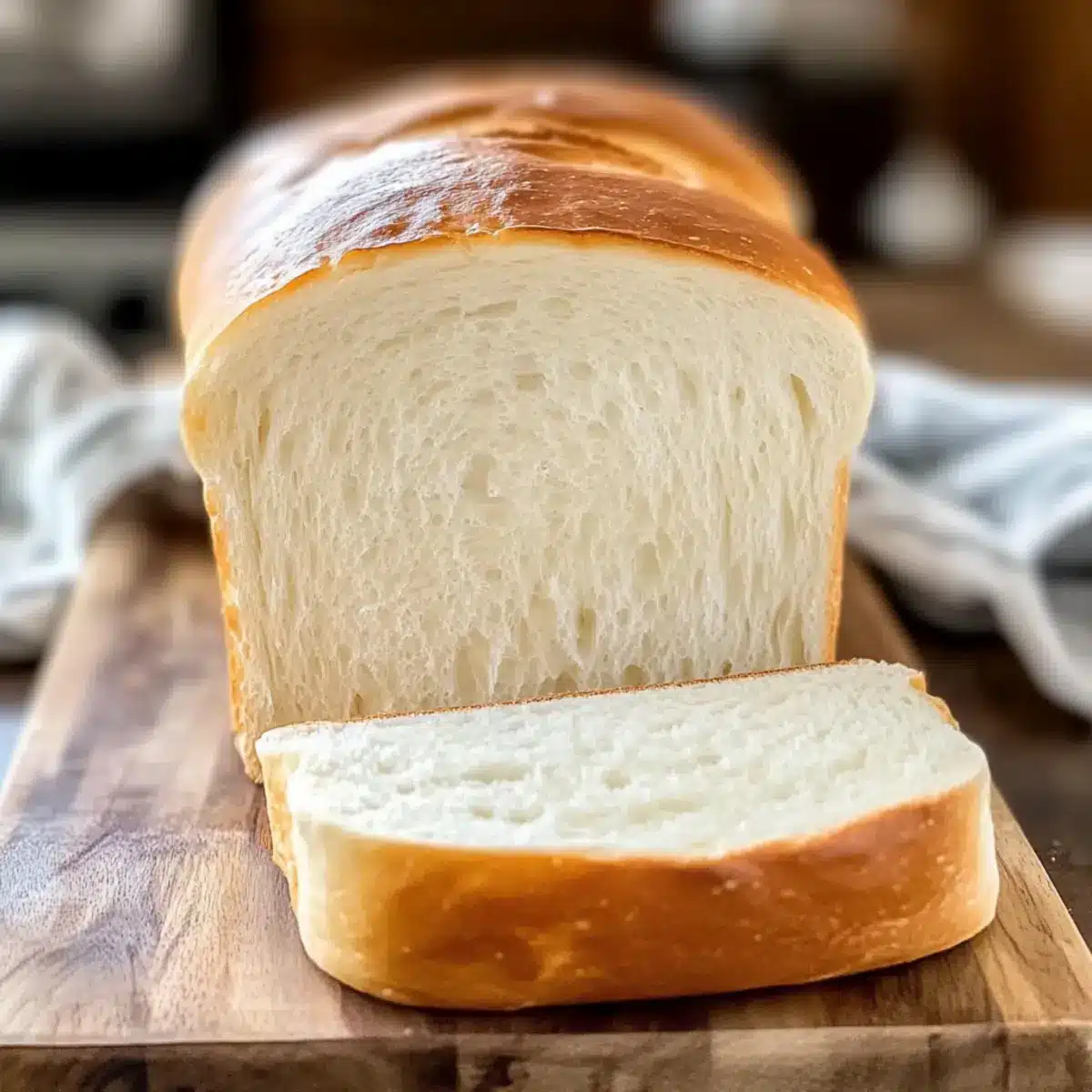
Homemade Bread Recipe: Soft, Fluffy Loaves You'll Love
Ingredients
Equipment
Method
- In a large mixing bowl, combine 1 cup of warm water with 2 teaspoons of yeast and a pinch of sugar or honey. Let it rest for 5-10 minutes until foamy.
- Add 2 tablespoons of sugar or honey, 1 teaspoon of salt, and 2 tablespoons of oil to the bowl. Gradually mix in 3 cups of all-purpose flour until a shaggy dough forms.
- Knead the dough on a floured surface for about 6-8 minutes or mix with a dough hook for about 5 minutes until slightly sticky.
- Grease a large bowl with oil, place the dough inside and cover. Let it rise in a warm spot for about 1½ hours.
- Gently punch down the dough, divide into two pieces and shape into logs. Place in greased loaf pans and let rise for another 45-60 minutes.
- Preheat your oven to 350°F. Bake for 30-33 minutes until golden brown and sounds hollow when tapped.
- Cool on a wire rack. Optionally brush with melted butter before slicing.
Leave a Reply