
The aroma of coconut milk simmering on the stove whisked me back to my childhood, where my grandmother’s kitchen was a haven of warmth and flavor. This Filipino Style Chicken Curry with coconut milk is a nod to those comforting memories, bringing together spices that dance joyfully on the palate. What I love most about this dish is how effortlessly it comes together—ready in under 25 minutes, making it a delightful option for busy weeknights. It’s not just a meal; it’s a journey into the heart of Filipino cuisine, delivering a blissful mix of creamy textures and vibrant flavors that will impress your family and friends. And the best part? You can easily switch up the protein or add extra veggies to make it your own. Curious to dive into this culinary adventure? Let’s get cooking!
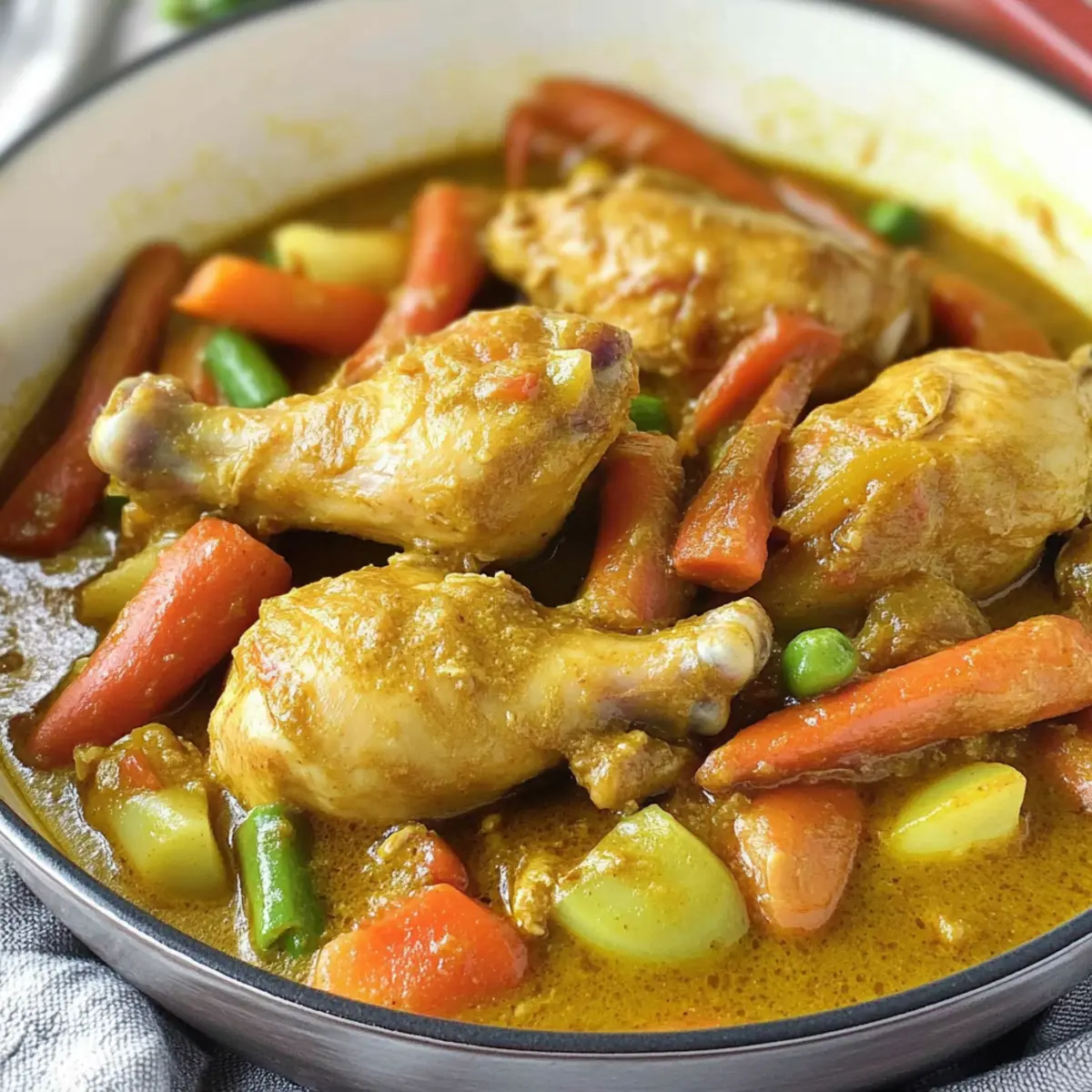
Why is Filipino Chicken Curry so special?
Authentic, Rich Flavors: This dish showcases the magic of coconut milk, which adds a velvety richness that elevates the flavors to a whole new level.
Quick Preparation: Whip up this meal in under 25 minutes, making it perfect for busy weeknights while still being delicious and satisfying.
Versatile Ingredients: Feel free to swap the chicken for pork, beef, or even tofu for a vegetarian option, and throw in your favorite veggies for added nutrition and color.
Comforting Experience: The delightful aroma and beautiful textures make this curry a true feast for the senses—perfect for both family dinners and exclusive gatherings.
Crowd-Pleasing Appeal: It’s a dish that everyone can enjoy. Serve it over rice or with crusty bread, and watch it disappear in no time! If you’re looking for more amazing chicken recipes, check out my Chicken Pillows Parmesan or Garlic Tomato Chicken!
Filipino Chicken Curry Ingredients
For the Base:
- Vegetable Oil – Adds fat for sautéing and flavor; can substitute with olive oil or coconut oil.
- Potato – Provides substance and texture; cut into wedges, or replace it with sweet potato for a sweeter flavor.
- Carrot – Brings sweetness and color; also cut into wedges, but any firm vegetable can be used instead.
- Garlic – Enhances flavor with its aromatic properties; minced fresh garlic is preferred, but garlic powder can be used as a substitute (1/8 tsp per clove).
- Onion – Provides a base flavor; chopped yellow or white onions work best.
For the Main Ingredients:
- Chicken – Source of protein; cut into pieces (preferably thighs or drumsticks for more flavor), can also use pork or beef for different variations.
- Fish Sauce – Adds umami; 2 tbsp is typically recommended, but you can substitute with salt (2 tsp) if you’re in a pinch.
- Curry Powder – The main flavor driver; adds warmth and depth (2 tbsp), feel free to experiment with Madras or yellow curry powder to suit your taste.
- Paprika Powder – Adds depth and color; optional (1 tbsp) or you can substitute with smoked paprika for a different twist.
- Ground Black Pepper – Adds a hint of heat; use about ½ tsp, or substitute with white pepper for a milder taste.
For the Creamy Sauce:
- Coconut Milk – The key ingredient that adds richness (1 can/400mL), can be replaced with coconut cream for a thicker consistency or other non-dairy milk if you’re looking for a dairy-free option.
- Green Bell Pepper – Adds a fresh crunch; diced, or you can swap it with any other bell pepper or skip it if desired.
- Fresh Chili Pepper – Boosts spiciness; cut into pieces, or use dried chili flakes as a substitution to control the heat level.
Dive into the flavors of this Filipino chicken curry dish and let each ingredient take you closer to that comforting experience!
Step‑by‑Step Instructions for Filipino Style Chicken Curry with Coconut Milk
Step 1: Prepare the Vegetables
In a large skillet, heat 2 tablespoons of vegetable oil over medium heat. Add the potato and carrot wedges, frying them for about 5-7 minutes until they are lightly browned and tender. Remove the vegetables from the pan and set aside, allowing the residual oil to enhance the flavor of the next ingredients.
Step 2: Sauté Aromatics
In the same skillet, add the chopped onion and minced garlic. Sauté over medium heat for about 3 minutes until the onion becomes translucent and fragrant. This step creates a flavorful base for your Filipino Style Chicken Curry, filling your kitchen with warm aromas.
Step 3: Cook the Chicken
Add the chicken pieces to the skillet, searing each side for about 2 minutes until lightly browned. Next, stir in 2 tablespoons of fish sauce, 2 tablespoons of curry powder, 1 tablespoon of paprika, and ½ teaspoon of ground black pepper. Cover the skillet and let it simmer for 5 minutes, allowing the chicken to absorb the spices.
Step 4: Add Coconut Milk
Lower the heat and gently stir in one can of coconut milk, ensuring it mixes well with the chicken and spices. Continue to simmer this mixture uncovered for about 10-15 minutes, allowing the sauce to thicken while the chicken remains tender and juicy. You’ll notice the rich, creamy texture developing beautifully.
Step 5: Incorporate Vegetables
Once the sauce has thickened, add back the fried potatoes and carrots, along with diced green bell pepper and fresh chili for an extra kick. Stir everything together and cook for an additional minute, allowing the vegetables to warm through while maintaining their vibrant colors.
Step 6: Serve and Enjoy
Remove the skillet from heat and transfer your Filipino Style Chicken Curry to a serving dish. Serve it hot over steamed jasmine rice or with crusty bread, and watch your family delight in the comforting flavors you’ve created in under 25 minutes!
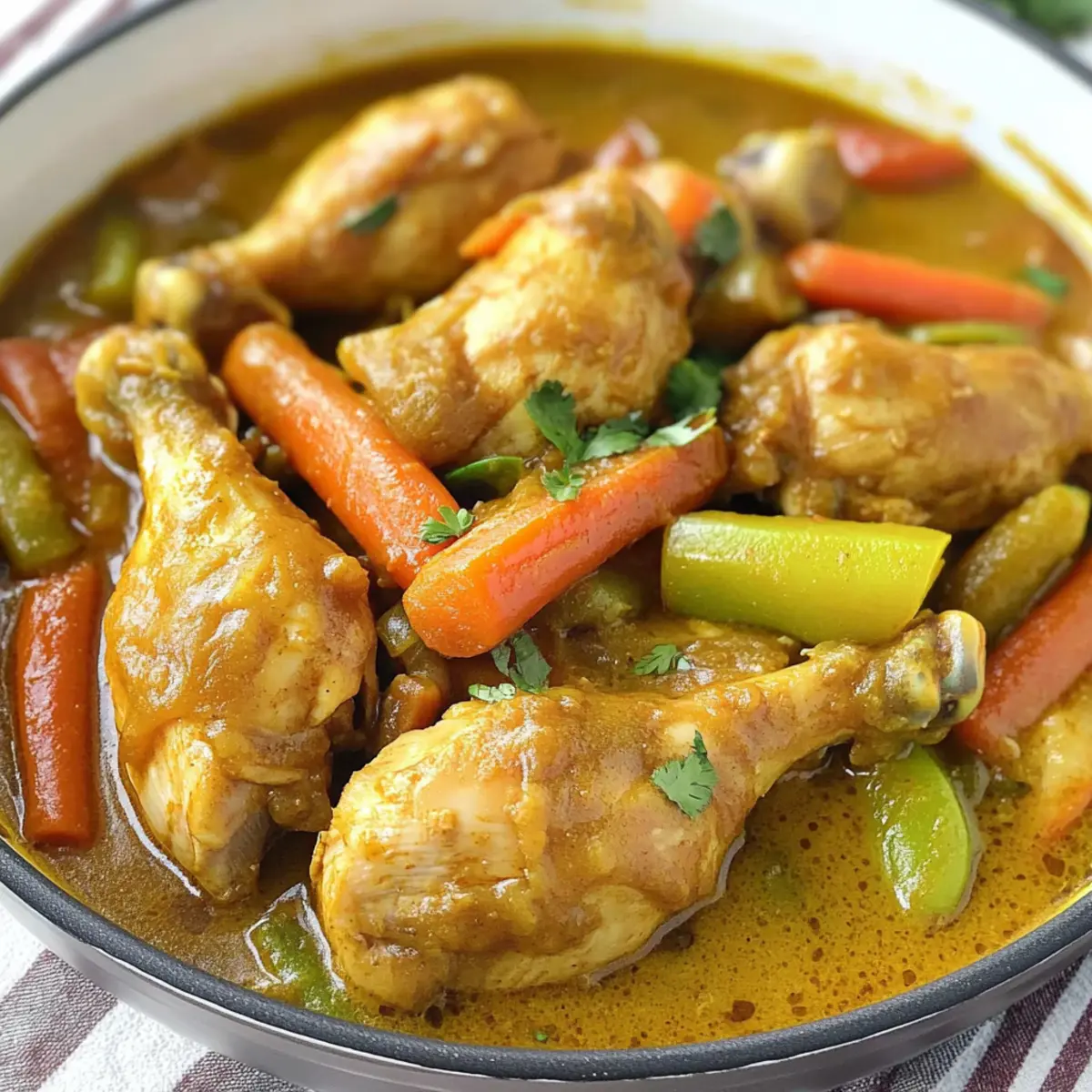
How to Store and Freeze Filipino Chicken Curry
Fridge: Store leftovers in an airtight container in the refrigerator for up to 3 days. This ensures that the flavors meld beautifully while maintaining freshness.
Freezer: To freeze, transfer cooled curry to a freezer-safe container and enjoy it for up to 3 months. Make sure to leave some space at the top as it expands when frozen.
Reheating: When ready to enjoy, thaw the curry overnight in the fridge and reheat gently on the stove over low heat, stirring occasionally to prevent sticking.
Check for Quality: Always check the appearance and smell before consuming; discard if there are any signs of spoilage. This Filipino chicken curry warms up wonderfully, preserving its comforting flavors!
Expert Tips for Filipino Chicken Curry
-
Coconut Care: Avoid overcooking the coconut milk, as it can separate and lose its creamy texture. Simmer gently to maintain that luscious consistency.
-
Spice Smart: Gradually adjust the spices to match your heat preference. The amount of fresh chili can easily elevate or temper the dish’s flavor.
-
Optimal Chicken: For juicier and more flavorful curry, choose bone-in chicken pieces. They infuse the dish with richness compared to boneless cuts.
-
Vegetable Variations: Feel free to add extra veggies like peas or spinach. They enhance nutrition and color, making your Filipino chicken curry even more delightful.
-
Flavorful Fish Sauce: If fish sauce isn’t available, use salt, but remember it won’t deliver the same umami flavor. Fish sauce contributes deeply to the dish’s authenticity.
Filipino Chicken Curry Variations
Feel free to make this Filipino chicken curry your own by incorporating these delightful twists!
-
Pork Swap: Replace chicken with pork belly or shoulder for a rich, tender alternative that pairs beautifully with coconut milk.
The flavor profile changes while still honoring the original spirit of the dish; a true delight for meat lovers. -
Beef Option: Use beef chuck or brisket as a robust substitute for chicken, adding a deeper flavor.
Just be sure to simmer a little longer, allowing the beef to tenderize and soak up all the aromatic goodness. -
Vegetarian Delight: Substitute chicken with tofu for a vegetarian-friendly option; marinate the tofu for extra flavor.
It’s amazing how versatile this dish can be, still delivering that beloved creamy texture and vibrant spices. -
Extra Veggies: Toss in a handful of fresh spinach or peas during the last few minutes of cooking for added nutrition and color.
These veggies not only boost health benefits but also enhance the dish’s visual appeal. -
Curry Variety: Experiment with different curry powders like red or green curry for a subtle flavor shift and a bright color.
Each variety brings its unique flair; exploring them can lead to delicious surprises in your culinary journey. -
Savory Heat: Upgrade the spice levels by adding a few more fresh chili peppers or a dash of your favorite hot sauce.
If you prefer, dried chili flakes can give a measured kick, allowing you to craft the perfect heat level to suit your palate. -
Creamy Coconut Twist: Substitute coconut milk with coconut cream for an ultra-creamy sauce that makes each bite heavenly.
This change results in a luscious, indulgent dish that pairs perfectly with steamed jasmine rice or crusty bread. -
Scented Rice: Serve your curry over jasmine rice cooked with a bit of pandan leaf for an aromatic twist.
The fragrant rice elevates the overall experience, transforming a simple meal into an unforgettable feast.
If you love flavorful chicken recipes like this, don’t forget to check out my Coconut Shrimp Sweet and the ever-comforting Chicken Buttered Noodles.
Make Ahead Options
These Filipino Style Chicken Curry with coconut milk are perfect for meal prep enthusiasts! You can chop the vegetables (potatoes, carrots, bell peppers) and store them in an airtight container in the refrigerator for up to 3 days in advance. Additionally, you can marinate the chicken with fish sauce and spices the night before to deepen the flavor—this can also be done up to 24 hours ahead. When you’re ready to cook, simply sauté the prepped veggies and chicken, stir in the coconut milk, and simmer until thickened, ensuring your dish is just as delicious and comforting with minimal effort. By prepping ahead, you’re setting yourself up for a quick and satisfying meal on those busy weeknights!
What to Serve with Filipino Chicken Curry with Coconut Milk
Create a delightful meal experience that pairs perfectly with the comforting richness of this vibrant curry.
-
Steamed Jasmine Rice: This fluffy rice absorbs the flavorful sauce beautifully, providing the perfect canvas for the rich, creamy curry.
-
Garlic Naan: Soft and warm, naan is perfect for scooping up every last bit of that luscious coconut sauce. It’s a delightful twist on a traditional accompaniment!
-
Fresh Green Salad: A light salad with crisp cucumbers and a tangy vinaigrette offers a refreshing contrast to the rich flavors of the curry, enhancing your dining experience.
-
Roasted Vegetables: Seasoned with herbs, roasted vegetables add depth and earthy flavors, complementing the curry while introducing a lovely caramelized texture.
-
Sweet Chili Sauce: A small bowl of this sticky, sweet condiment can elevate your meal with a hint of spiciness, perfect for those who enjoy a bit of zing.
-
Coconut Water: This refreshing drink brings a tropical element to your meal, balancing the savory notes with a light, hydrating touch.
-
Mango Sorbet: For dessert, this fruity sorbet cleanses the palate, offering a sweet finish that honors the tropical essence of the curry.
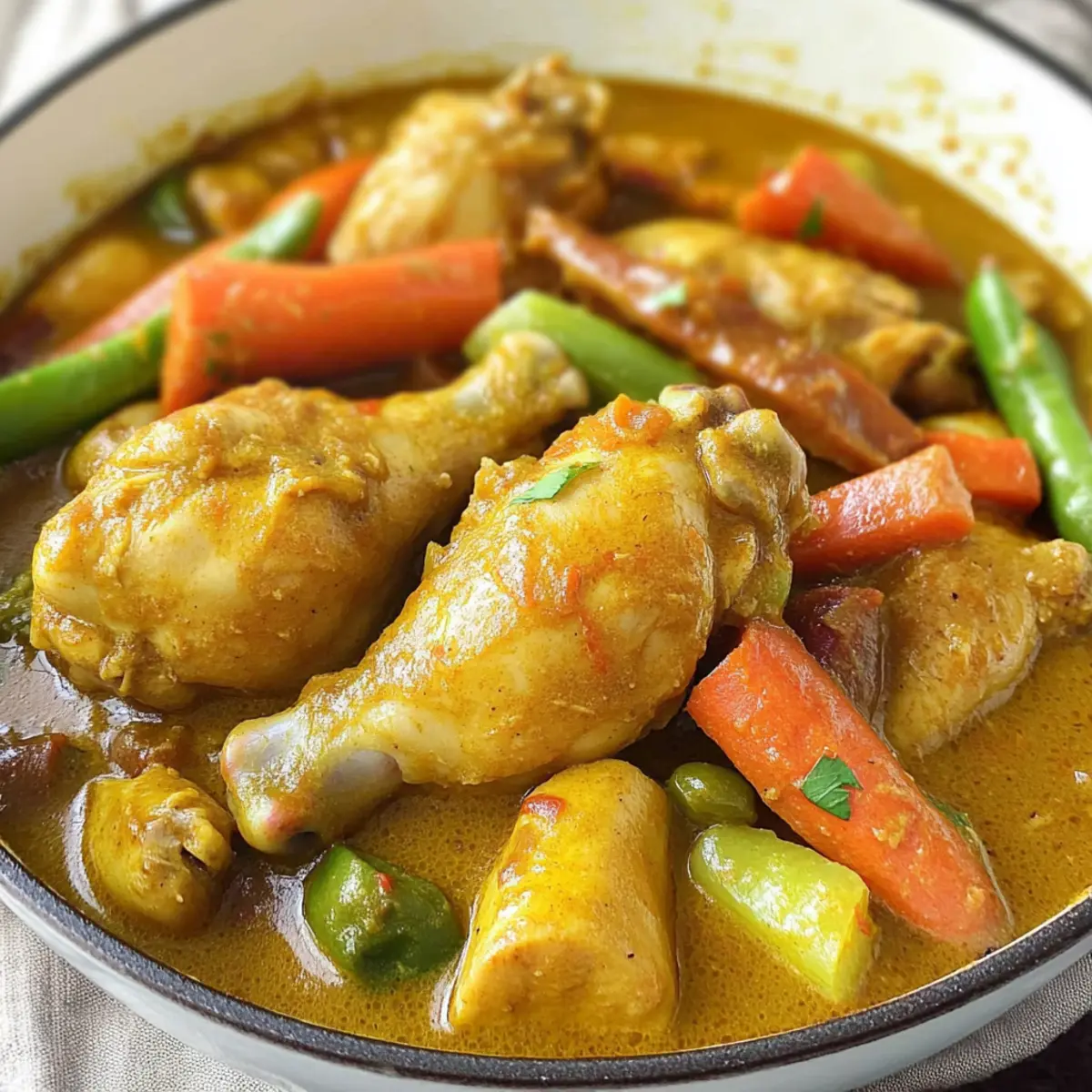
Filipino Style Chicken Curry with Coconut Milk Recipe FAQs
How do I choose the best chicken for my curry?
When selecting chicken for your Filipino Style Chicken Curry, opt for bone-in pieces such as thighs or drumsticks. These cuts not only offer more flavor but also remain juicy during cooking. If you prefer a leaner option, skinless chicken breasts are an alternative, though they may require a bit more attention to avoid drying out.
What’s the best way to store leftovers?
Absolutely! Store any leftovers in an airtight container in the refrigerator for up to 3 days. When you’re ready to enjoy it again, gently reheat on the stove over low heat to keep the flavors intact.
Can I freeze Filipino chicken curry? If so, how?
Yes, you can freeze it! First, let the curry cool completely. Then, transfer it to a freezer-safe container, leaving some space at the top for expansion. It can be stored in the freezer for up to 3 months. To reheat, thaw the curry overnight in the fridge, then warm it gently on the stove.
What if my coconut milk separates while cooking?
Good question! If your coconut milk separates, don’t worry—this can happen sometimes. To fix it, simply lower the heat and stir the mixture continuously until the cream re-emulsifies. Avoid boiling it, as high temperatures can cause separation.
Are there any allergy considerations with this recipe?
If you’re cooking for someone with allergies, be cautious with ingredients like fish sauce, which contains fish and gluten. You can substitute it with soy sauce or salt. Always check labels for hidden allergens, especially in curry powders or other packaged ingredients.
Can I make this curry vegetarian?
Very much! For a vegetarian option, simply swap the chicken with tofu or chickpeas and use vegetable broth instead of fish sauce. You can also load up on your favorite vegetables—spinach, peas, and bell peppers work wonderfully in this dish.
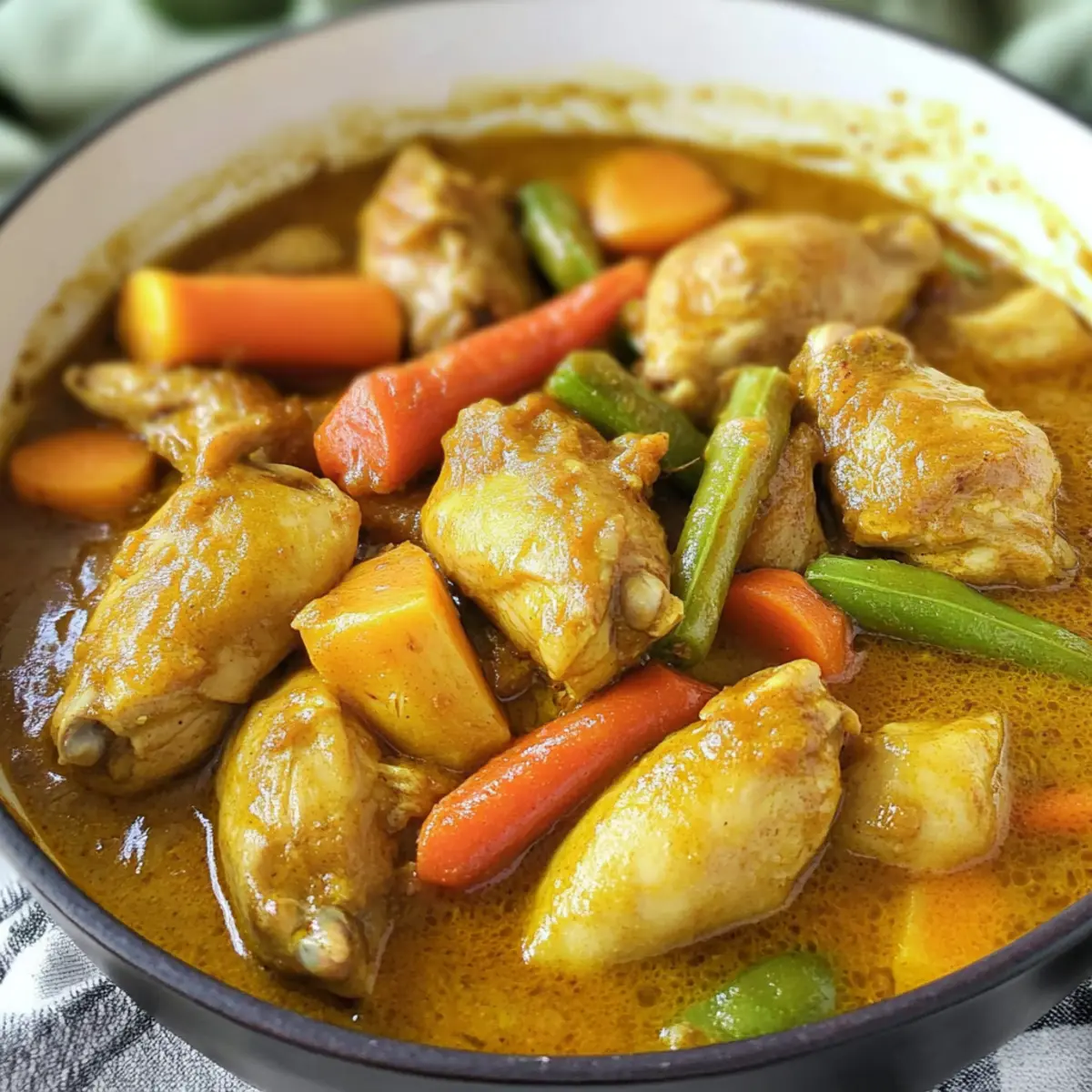
Filipino Style Chicken Curry with Coconut Milk Delight
Ingredients
Equipment
Method
- In a large skillet, heat 2 tablespoons of vegetable oil over medium heat. Add the potato and carrot wedges, frying them for about 5-7 minutes until they are lightly browned and tender. Remove the vegetables from the pan and set aside.
- In the same skillet, add the chopped onion and minced garlic. Sauté over medium heat for about 3 minutes until the onion becomes translucent and fragrant.
- Add the chicken pieces to the skillet, searing each side for about 2 minutes. Stir in 2 tablespoons of fish sauce, 2 tablespoons of curry powder, 1 tablespoon of paprika, and ½ teaspoon of ground black pepper. Cover and let it simmer for 5 minutes.
- Lower the heat and gently stir in one can of coconut milk, mixing well. Continue to simmer uncovered for about 10-15 minutes, allowing the sauce to thicken.
- Add back the fried potatoes and carrots, along with diced green bell pepper and fresh chili. Stir everything together and cook for an additional minute.
- Remove from heat and transfer your Filipino Style Chicken Curry to a serving dish. Serve hot over steamed jasmine rice or with crusty bread.
Leave a Reply