
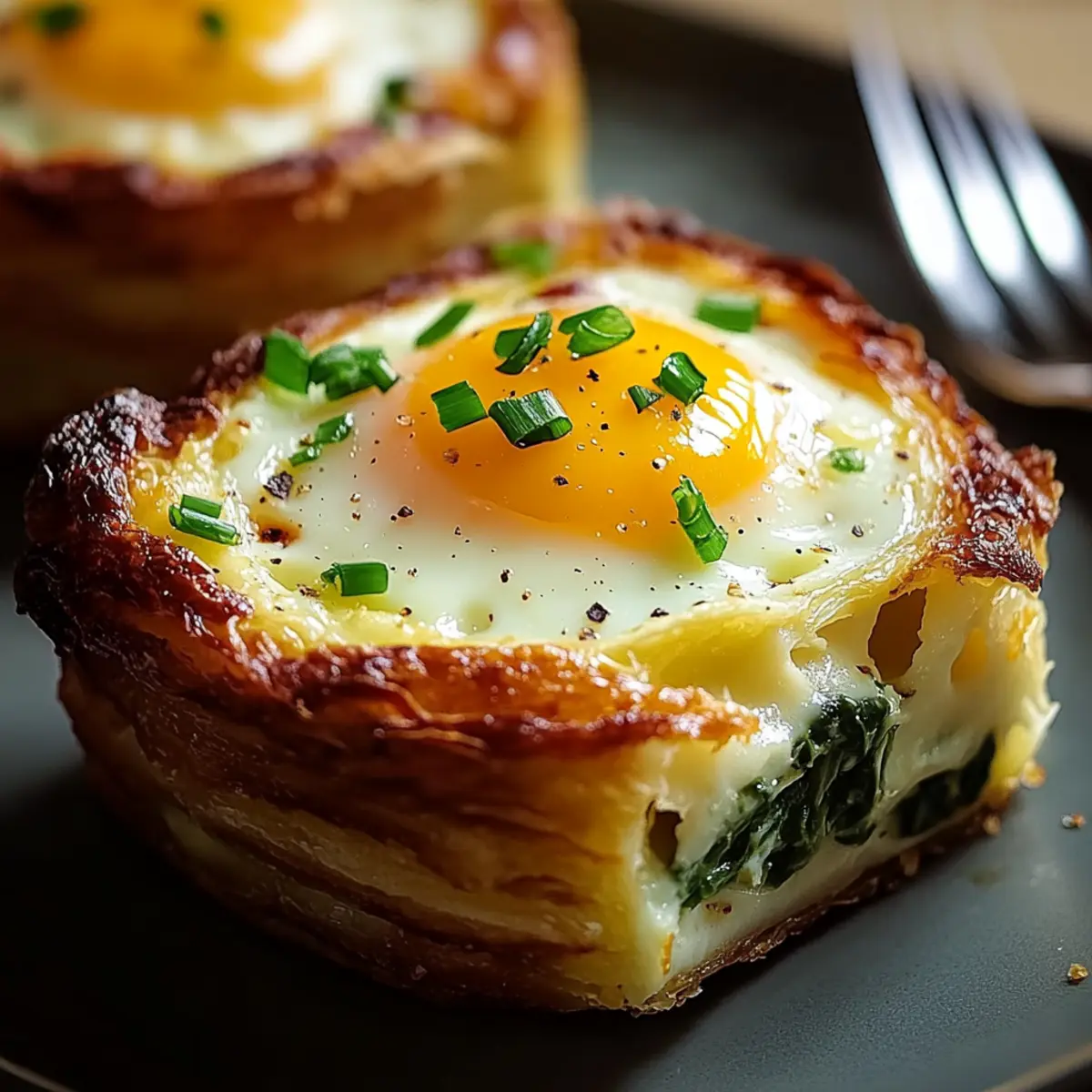
Picture yourself hosting a delightful brunch, where the aroma of golden puff pastry fills the air and guests can’t help but marvel at your culinary skills. Welcome to the world of Baked Eggs Napoleon, a sophisticated yet simple dish that transforms everyday ingredients into a stunning centerpiece for your table. With a quick preparation time, you’ll find it easy to whip up these flaky pastry cups filled with creamy spinach and rich Gruyere cheese, topped with perfectly baked eggs that beckon to be devoured. Whether you’re impressing friends or treating yourself to a lavish weekend breakfast, this versatile recipe is your ticket to brunch bliss. Ready to elevate your cooking game? Let’s dive into the delicious details!
Why Baked Eggs Napoleon Will Impress You
Elevated yet simple: This recipe transforms basic ingredients into a stunning brunch centerpiece that creates a sense of gourmet indulgence without the usual fuss.
Versatile fillings: Swap in your favorite vegetables, cheeses, or meats to personalize each dish – the options are limitless!
Quick to prep: Whip up these delicious pastry cups in no time, making them perfect for last-minute gatherings or leisurely weekends.
Crowd-pleaser: Your guests will be amazed by the beautiful presentation and delightful flavors, ensuring your brunch becomes the talk of the town.
Added bonus: Pair them with Cheesecake Stuffed Baked apples or a light salad to create a well-rounded meal.
Baked Eggs Napoleon Ingredients
For the Puff Pastry Cups
- Puff Pastry – Use frozen for convenience or make your own for a fresh touch.
- Eggs – Fresh large eggs ensure a rich yolk for the perfect finish.
For the Spinach Filling
- Olive Oil – Ideal for sautéing; substitute with butter for a creamier flavor.
- Shallot – Use this aromatic to enhance your filling’s flavor profile; leeks are a great alternative.
- Garlic – Fresh garlic adds depth; feel free to use garlic powder in a pinch.
- Spinach – Packed with nutrients and color; kale or Swiss chard can work as substitutes.
- Cream Cheese – Provides creaminess while binding the filling; ricotta or goat cheese can be used as alternatives.
- Heavy Cream – Adds luscious richness to your mixture; half-and-half or evaporated milk are lighter options.
- Parmesan Cheese – Enhances flavor and richness; Pecorino Romano is a suitable alternative.
- Nutmeg – Adds a warm spice that complements the dish beautifully; skip if you’re not a fan or use allspice instead.
- Chopped Chives – Fresh and vibrant, these make a lovely garnish; green onions or parsley can also add brightness.
For the Final Touch
- Egg Wash – A simple mix of egg and water ensures golden, shiny pastry edges.
This Baked Eggs Napoleon recipe is not only straightforward to prepare but also allows for countless variations to suit your tastes!
Step‑by‑Step Instructions for Baked Eggs Napoleon
Step 1: Preparation
Begin by thawing your frozen puff pastry overnight in the refrigerator or for about 30 minutes at room temperature. Preheat your oven to 400°F (200°C) and lightly grease individual ramekins with cooking spray or butter. This will ensure that your Baked Eggs Napoleon release easily after baking and maintain that perfect golden crust.
Step 2: Form Shells
On a floured surface, roll out the thawed puff pastry to about 1/8 inch thick. Use a round cutter or a glass to cut circles large enough to fit the ramekins, allowing for some overhang. Carefully press each pastry circle into the greased ramekins to form the shell, ensuring it adheres well to the sides for a nice presentation.
Step 3: Blind Bake
Line each pastry shell with parchment paper and fill them with pie weights or dried beans to prevent puffing. Place the ramekins on a baking sheet and bake in the preheated oven for 12–15 minutes until the edges are golden brown. Afterward, remove the weights and parchment, then continue baking for an additional 3–5 minutes until the pastry centers are firm to the touch.
Step 4: Spinach Filling
While the pastry bakes, heat olive oil in a skillet over medium heat. Sauté the minced shallot and garlic for about 2–3 minutes until fragrant and translucent. Add fresh spinach and stir until wilted, which should take around 2 minutes. Then, mix in cream cheese, heavy cream, Parmesan cheese, and a pinch of nutmeg, stirring until well combined and gooey.
Step 5: Assembly
Remove the baked pastry shells from the oven and carefully spoon the creamy spinach filling into each one. Then, crack a large egg right on top of the spinach in each shell, taking care not to break the yolk. Lightly season each egg with salt and pepper, allowing the fresh ingredients to shine in your Baked Eggs Napoleon.
Step 6: Final Bake
Brush the exposed pastry edges with an egg wash made from whisking an egg with a splash of water for a golden finish. Return the assembled ramekins to the oven and bake for 12–18 minutes, depending on your preferred yolk consistency; a shorter bake gives you runny yolks, while longer results in firmer ones.
Step 7: Serve
Once baked to your liking, remove the Baked Eggs Napoleon from the oven. Garnish each with freshly chopped chives for a pop of color and fresh flavor. Serve them hot straight in the ramekins for an eye-catching presentation, or gently slide them onto plates to impress your guests at brunch!
Baked Eggs Napoleon Variations
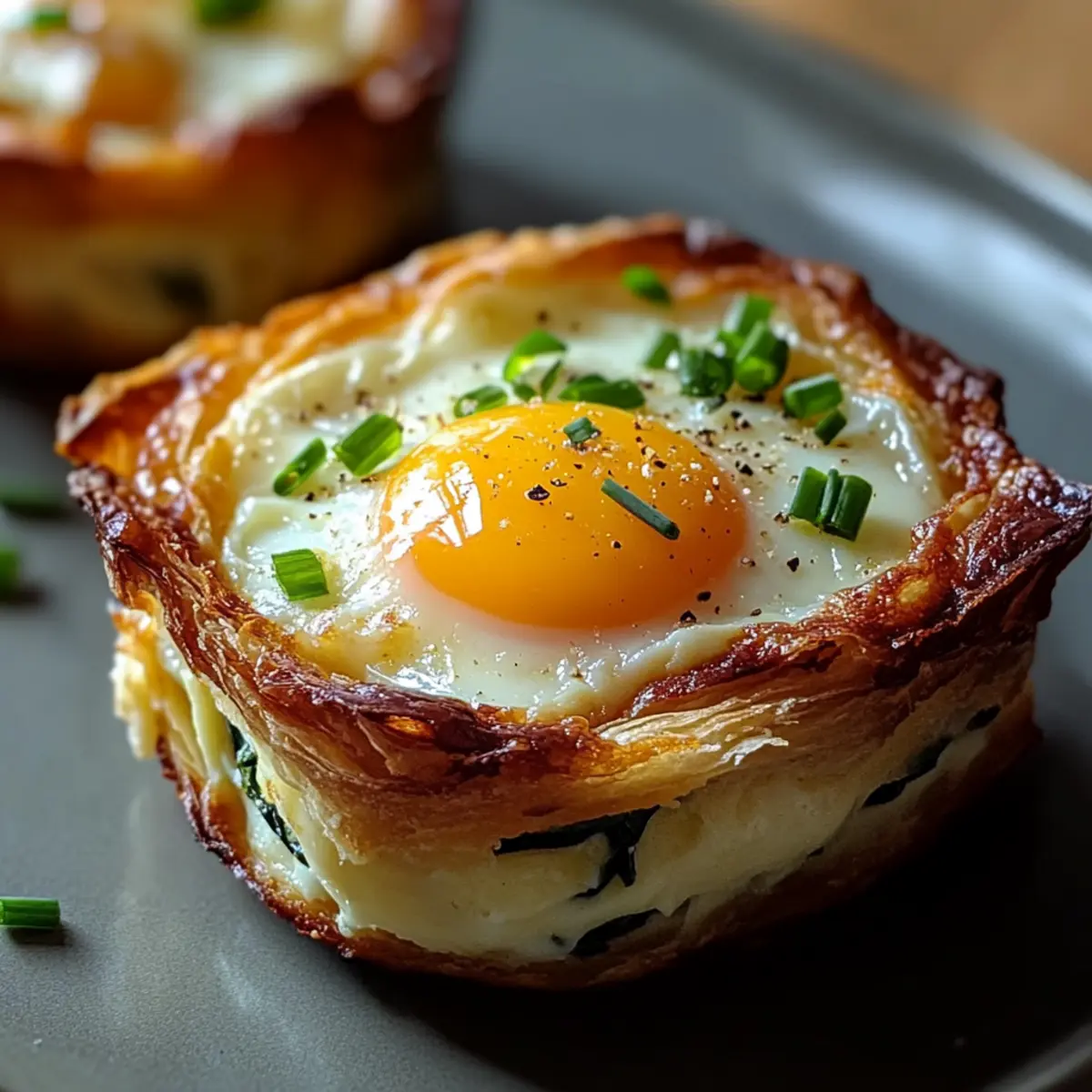
Feel free to get creative with your Baked Eggs Napoleon and discover delightful twists that cater to your taste buds.
-
Cheese Swap: Use sharp cheddar or tangy goat cheese for a deliciously distinct flavor. Each cheese brings out its own luscious creaminess, creating a delightful surprise with every bite.
-
Seasonal Vegetables: Swap out spinach for seasonal veggies like asparagus in spring or earthy mushrooms in fall. This not only adds color but also highlights the freshness of the season in your dish.
-
Hearty Meats: Add crispy bacon or savory sausage for a meaty upgrade to your filling. These ingredients not only enhance flavor but also offer a filling option for heartier appetites.
-
Vegetarian Delight: For a meat-free version, try adding a spoonful of pesto or tangy tapenade. This vibrant addition not only amplifies flavor but also decorates your dish beautifully.
-
Spicy Kick: Incorporate a sprinkle of red pepper flakes or finely chopped jalapeños to introduce some heat. It’s a scrumptious way to elevate the dish for those who love a little kick in their brunch.
-
Creamy Alternatives: Substitute cream cheese with rich ricotta or tangy feta for a whole new creaminess. Each alternative provides a unique flavor profile for your filling.
-
Zesty Garnish: Add a dash of lemon zest alongside chives for an unexpected brightness. This little hint of citrus will elevate the richness of the eggs and cream.
-
Nut-free Variation: For a nut-free option, simply omit nuts or seeds and use fresh herbs like thyme or rosemary instead. These herbs add a fragrant touch without compromising on flavor.
Exploring these variations will surely elevate your brunch experience! And if you’re looking for more delectable recipes, consider trying my Baked Feta Pasta or the delightful Cheesecake Stuffed Baked apples for a complete feast!
How to Store and Freeze Baked Eggs Napoleon
Fridge: Store any leftovers in an airtight container for up to 3 days. Reheat in the oven to restore the pastry’s crispness and warm the filling.
Freezer: For pre-baked shells, wrap them in plastic wrap and store in a freezer-safe bag for up to 2 months. Thaw in the fridge before filling.
Unbaked Shells: Assemble the Baked Eggs Napoleon without baking, cover with plastic wrap, and refrigerate for up to 1 day before baking for best results.
Reheating: To reheat baked Baked Eggs Napoleon, place them in a 350°F (175°C) oven for about 10-15 minutes until heated through and the pastry is crisp again.
Make Ahead Options
Baked Eggs Napoleon is an excellent choice for those looking to meal prep and save time during busy mornings! You can prepare the puff pastry cups and the spinach filling up to 24 hours in advance. Simply blind bake the pastry shells and store them in an airtight container once cooled. The spinach filling can be made, cooled, and refrigerated in a sealed container as well. When you’re ready to serve, just assemble the cups by spooning in the filling, cracking an egg on top, and baking them for 12-18 minutes to achieve the perfect yolk consistency. This method ensures your Baked Eggs Napoleon retains their flaky texture and rich flavors, giving you a delightful brunch with minimal last-minute effort!
What to Serve with Baked Eggs Napoleon
Elevate your brunch experience with delightful sides that complement the creamy, savory goodness of this elegant dish.
- Mixed Green Salad: A light salad with vinaigrette adds brightness and balances the richness of the eggs and pastry.
- Artisanal Bread: Warm, crusty bread invites you to soak up any runny yolks left on your plate, adding a comforting texture.
- Fresh Fruit Salad: A refreshing medley of seasonal fruits brings a sweet touch to the meal, bursting with color and flavor.
- Crispy Bacon or Sausage: The salty crunch of bacon or hearty sausage rounds out the dish with a savory punch that everyone loves.
- Roasted Asparagus: Tender yet crispy asparagus provides a pleasing contrast, drizzled with olive oil and sea salt for added flavor.
- Mimosas or Bellinis: These festive drinks combine citrusy freshness with a bubbly kick, enhancing the celebratory atmosphere of your brunch.
- Savory Potato Hash: Crispy potatoes mixed with herbs and spices add a warm, crunchy element that pairs beautifully with the creamy filling.
- Cheese Platter: An array of cheeses offers variety; include sharp cheddar or tangy goat cheese for a delightful contrast of flavors.
Expert Tips for Baked Eggs Napoleon
-
Keep Pastry Cold: Always ensure your puff pastry remains chilled until baking; this helps it achieve maximum flakiness and texture.
-
Crack Eggs Carefully: Use a separate bowl for cracking eggs to reduce the risk of shell pieces falling into your Baked Eggs Napoleon and for easier control.
-
Blind Baking Is Key: Don’t skip blinds baking! It’s essential for achieving a crispy bottom crust, preventing sogginess from the filling.
-
Watch Yolk Doneness: Oven temperatures can vary, so keep a close eye on the final bake; adjust baking time based on how runny you want your yolks.
-
Experiment with Fillings: The beauty of this dish lies in its versatility; feel free to mix and match fillings to create your perfect Baked Eggs Napoleon experience.
Baked Eggs Napoleon Recipe FAQs
What type of puff pastry should I use?
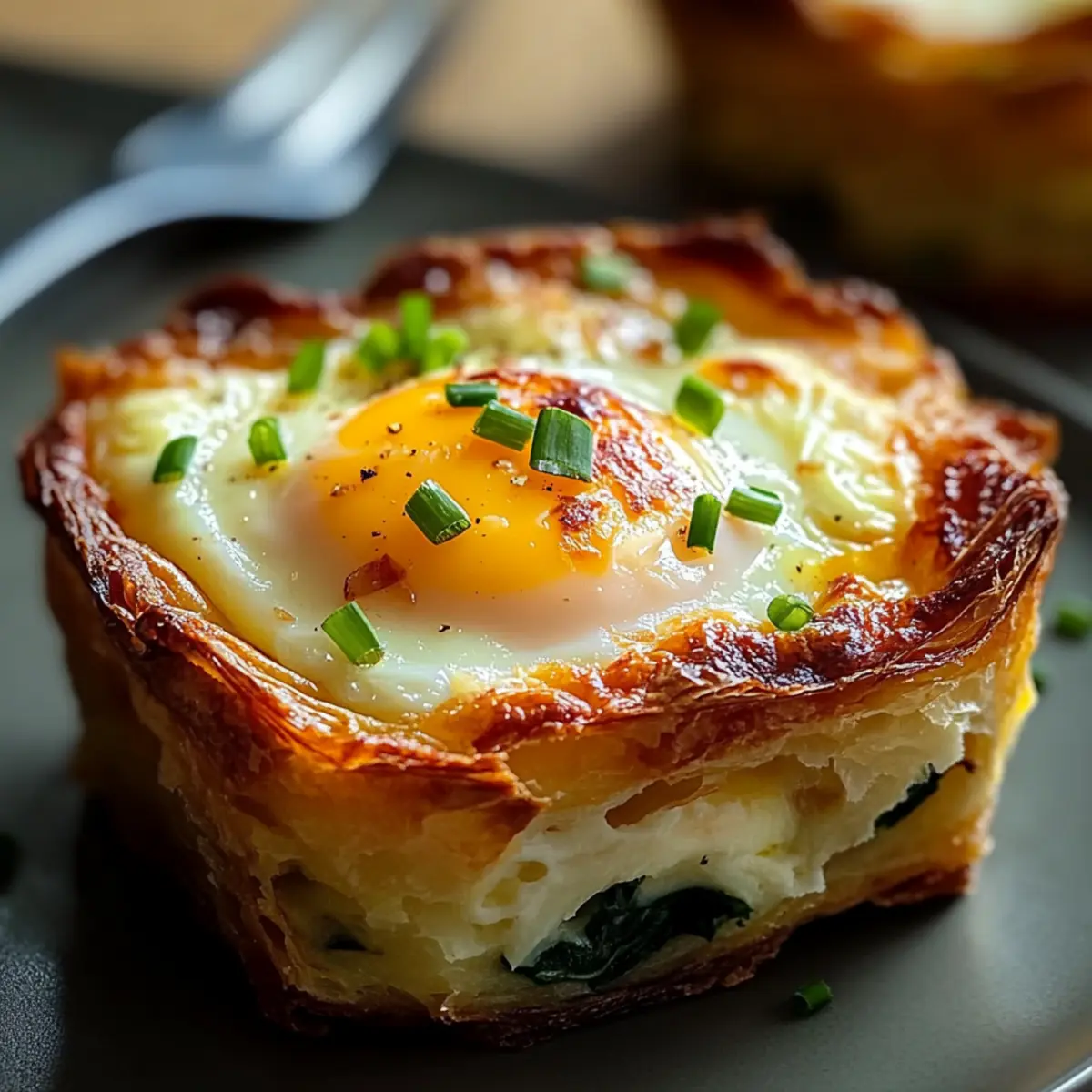
For best results, opt for a high-quality frozen puff pastry, which can be easily found in the freezer section of most grocery stores. If you’re feeling adventurous, you can also make your own puff pastry from scratch; however, using frozen saves time and effort without compromising on taste.
How can I store leftover Baked Eggs Napoleon?
Store any leftovers in an airtight container in the fridge for up to 3 days. When you’re ready to enjoy them again, reheat in the oven at 350°F (175°C) for about 10-15 minutes to restore that lovely crispness of the pastry while warming up the filling.
Can I freeze Baked Eggs Napoleon?
Absolutely! For unbaked shells, wrap them in plastic wrap and place them in a freezer-safe bag. They’ll keep well for up to 2 months. To use, simply thaw them in the fridge overnight before adding your filling and baking. If you’ve made baked Baked Eggs Napoleon, they can also be frozen; just make sure to cool them completely first.
How do I ensure the yolks cook to my liking?
Monitoring the yolk doneness is key! After assembly, bake your Baked Eggs Napoleon for 12-18 minutes. For runny yolks, stick to the lower end of the time range, while for firmer yolks, allow for a few extra minutes. Keep an eye on them, as oven temperatures can vary widely.
Are there any dietary considerations for Baked Eggs Napoleon?
If you’re serving guests with dietary restrictions, this dish is quite versatile! You can easily adapt it to be vegetarian by omitting meats and using vegetable-only fillings. Be cautious with cheese and cream if there are lactose intolerant guests—substitutes like lactose-free cheese or plant-based cream are great alternatives! If you have pets, it’s best to keep any leftovers away from them due to the presence of rich ingredients like cheese and eggs.
What should I do if my puff pastry doesn’t rise properly?
If your puff pastry isn’t rising as expected, ensure it stays cold during preparation; warm pastry may lead to less flakiness. Also, make sure you’ve followed the blind baking steps properly to set the base before adding fillings. Lastly, don’t forget to brush the pastry edges with an egg wash; this not only adds flavor but also helps with browning!
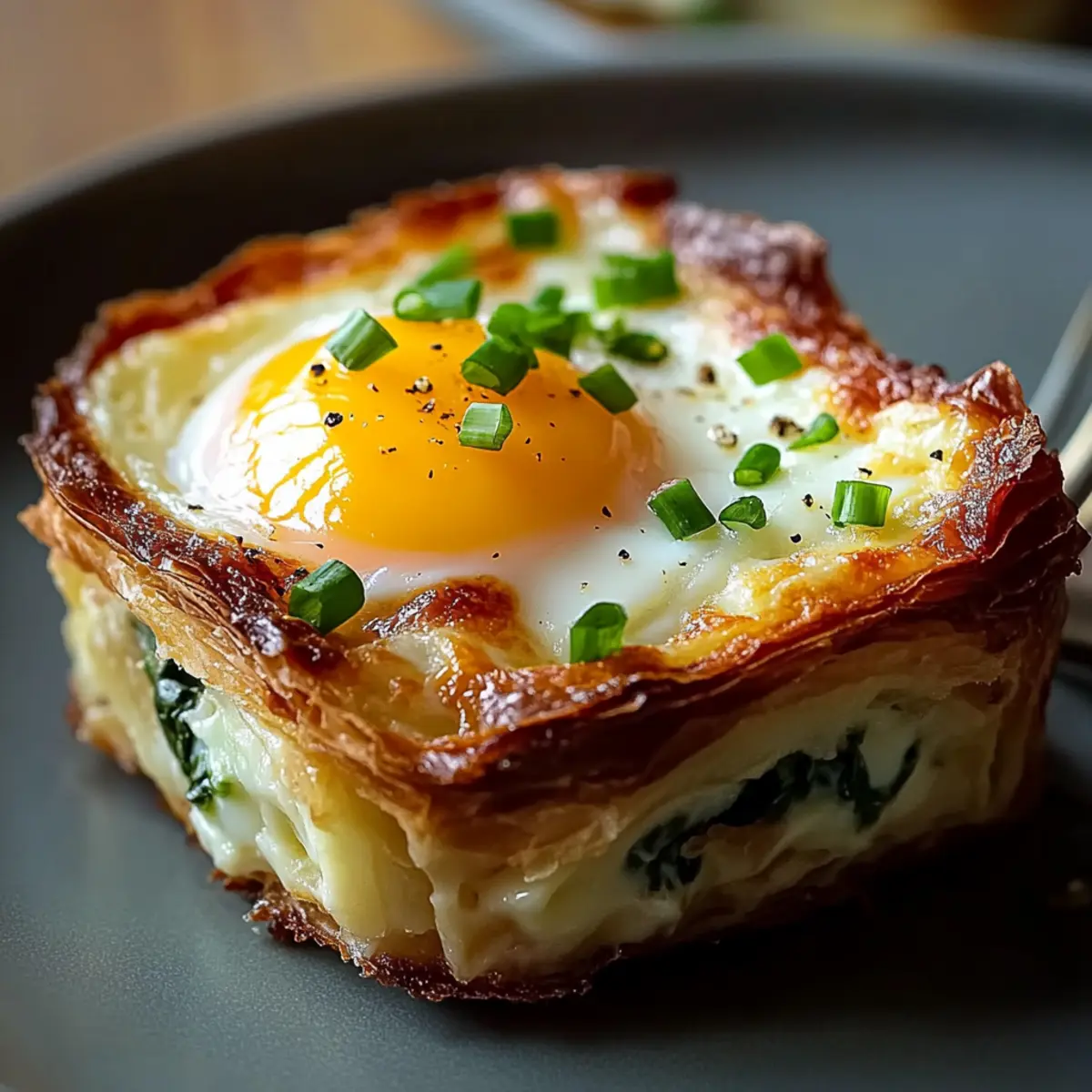
Baked Eggs Napoleon: A Simple Brunch Showstopper
Ingredients
Equipment
Method
- Thaw puff pastry overnight in the refrigerator or for about 30 minutes at room temperature. Preheat oven to 400°F (200°C) and lightly grease ramekins with cooking spray or butter.
- Roll out thawed puff pastry to about 1/8 inch thick. Cut circles large enough to fit the ramekins, pressing each circle into the greased ramekins to form shells.
- Line each pastry shell with parchment and fill with pie weights or dried beans. Bake for 12–15 minutes until edges are golden brown; then remove weights and continue baking for 3–5 minutes.
- Heat olive oil in a skillet over medium heat. Sauté shallot and garlic for 2–3 minutes until fragrant. Add spinach and stir until wilted, around 2 minutes. Mix in cream cheese, heavy cream, Parmesan cheese, and nutmeg.
- Spoon the spinach filling into each pastry shell. Crack a large egg on top of the spinach in each shell, season with salt and pepper.
- Brush exposed pastry edges with egg wash. Return ramekins to the oven and bake for 12–18 minutes, depending on desired yolk consistency.
- Once baked, garnish with chopped chives. Serve hot in ramekins or slide onto plates.
Leave a Reply