
It wasn’t long ago that I found myself in a mini crisis, staring at the clock and realizing I had only 5 minutes to whip up something satisfying for dinner. In that frantic moment, I remembered a delightful recipe for Quick German Bread that turns out a rustic loaf with a golden, crackly crust and a soft, chewy interior. This homemade bread is perfect when time is tight, yet your craving for the warm, comforting aroma of freshly baked bread is strong. Not only is it a fantastic way to enhance a simple meal, but it’s also a fantastic crowd-pleaser, making it great for gatherings or family dinners. Have you ever thought about how easy it is to elevate your meals with just a loaf of freshly baked bread? Let’s dive into this quick and easy recipe that will undoubtedly become a favorite in your home.
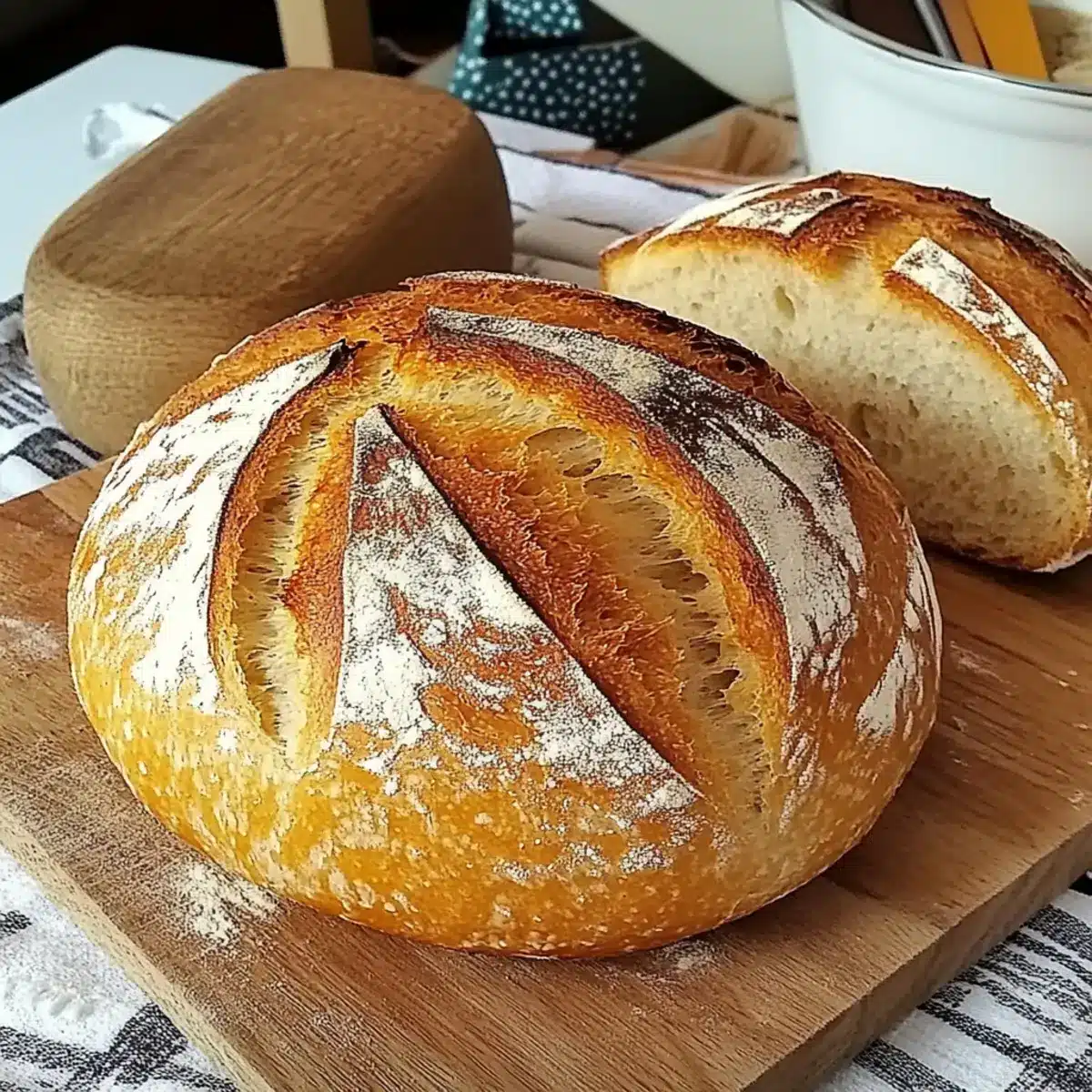
What makes this bread so special?
Quick, Effortless Preparation: You can whip this up in just 5 minutes, perfect for busy lifestyles.
Rustic Appeal: The golden, crackly crust combined with a chewy interior evokes traditional German bread, making it a comforting addition to any meal.
Versatile Uses: This loaf shines in various roles—serving as a base for sandwiches, an accompaniment to soups, or simply enjoyed warm with butter.
Endless Variations: Feel free to experiment! Add caraway seeds for a classic twist, or incorporate sun-dried tomatoes for a flavorful flare.
Crowd-Pleasing Delight: Impress friends and family effortlessly with this delightful bread that’s sure to steal the show at your next gathering. For more delicious options, check out Herb Cheese Bread or Hot Honey Flatbread.
German Bread Ingredients
- For the Dough
- All-Purpose or Bread Flour – Provides structure and texture; you can substitute it with whole-wheat flour or a gluten-free blend if desired.
- Instant Yeast – Acts as a leavening agent for rising; if using active dry yeast, make sure to proof it in warm water first.
- Warm Water (110°F / 45°C) – Activates the yeast, which is crucial for dough formation; ensure the temperature is just right to keep the yeast alive.
- Salt – Enhances flavor and regulates yeast activity; don’t skip this essential ingredient!
- Honey or Sugar – Adds sweetness and aids in browning; feel free to replace it with maple syrup or agave nectar for a different twist.
- Olive Oil (optional) – Adds richness and moisture to the bread; you can leave it out for a lighter loaf.
Step‑by‑Step Instructions for Quick German Bread
Step 1: Mixing the Dry Ingredients
In a large mixing bowl, combine 3 cups of all-purpose or bread flour, 2 teaspoons of instant yeast, and 1 teaspoon of salt. Stir the mixture together until evenly distributed, ensuring that the yeast and salt are well incorporated. This step establishes the base for your Quick German Bread, setting the stage for a beautifully risen loaf.
Step 2: Adding the Liquid Ingredients
Gradually pour in 1½ cups of warm water (around 110°F or 45°C) and 1 tablespoon of honey into the dry ingredients. Use a spatula or wooden spoon to mix everything together until a messy, sticky dough forms. The dough should look uneven and shaggy; don’t worry about perfection at this stage, as the magic of texture will come later!
Step 3: Kneading the Dough
Lightly flour a clean surface and transfer the sticky dough onto it. Knead the dough gently for about 1-2 minutes, or until it feels soft and slightly tacky. Take care not to over-knead; you want the dough to maintain some moisture and elasticity. This quick kneading will develop the dough’s structure, crucial for that delightful chewy interior.
Step 4: Resting the Dough
Place the kneaded dough back into the bowl and cover it with a clean kitchen towel. Let it rest in a warm spot for 5-10 minutes. This crucial rest period allows the dough to relax and rise slightly, which helps create a well-structured Quick German Bread that isn’t dense.
Step 5: Preheating the Oven
While the dough rests, preheat your oven to 425°F (220°C). If you’re using a Dutch oven for baking, place it in the oven as it heats up; this allows it to warm up, ensuring that your bread achieves a perfect crust. The warmth from the oven will set the stage for fantastic baking results later on.
Step 6: Shaping the Loaf
Once the dough has rested, take it out and shape it into a loaf. Make sure it’s uniform and smooth. Use a sharp knife to slash the top of the loaf; this allows steam to escape during baking and gives your Quick German Bread its signature rustic look.
Step 7: Baking the Bread
Carefully transfer the shaped loaf to your preheated Dutch oven or a baking sheet lined with parchment paper. Bake in the oven for 20-25 minutes, until the crust is a beautiful golden brown. If using a Dutch oven, uncover it for the last 5 minutes of baking to achieve that perfect crackly crust.
Step 8: Cooling before Slicing
Once baked, remove the bread from the oven and let it cool on a wire rack for at least 10 minutes before slicing. This cooling period allows the interior to finish setting and enhances the flavor profile. Your homemade Quick German Bread will now be ready to elevate any meal or be enjoyed fresh on its own!
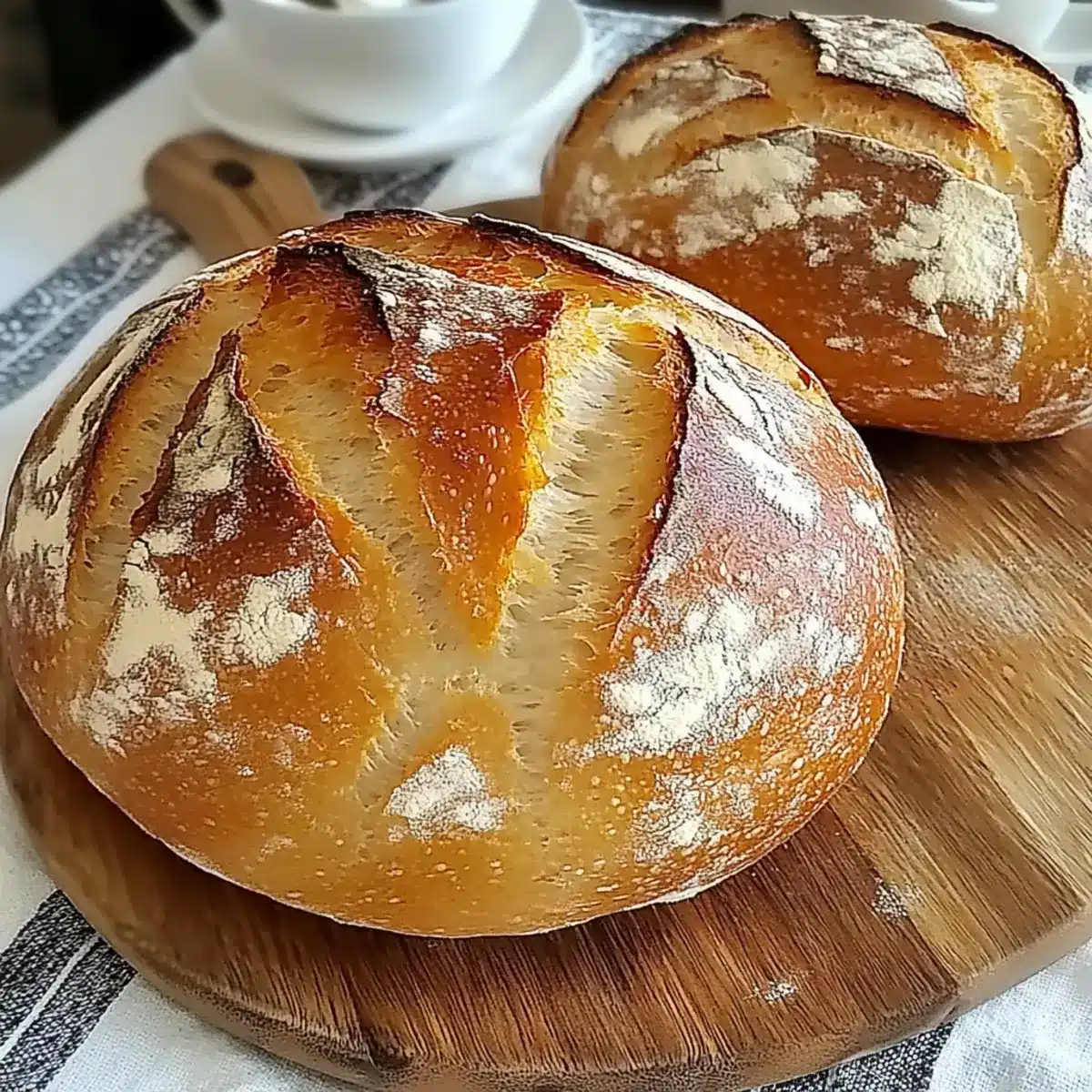
German Bread: Creative Twists Await
Feel free to explore these variations to make the recipe your own—your taste buds will thank you!
-
Herbed Flair: Add a sprinkle of dried herbs like rosemary or thyme for a fragrant twist that elevates your loaf.
-
Whole Wheat Wonder: Substitute half of the all-purpose flour with whole wheat flour for added fiber and a nutty flavor. This change creates a heartier loaf that pairs wonderfully with robust toppings.
-
Sweet Addition: Mix in some raisins or dried cranberries for a subtle sweetness—perfect for breakfast or snacking. Imagine biting into a warm slice and finding bursts of fruity goodness!
-
Spicy Kick: Stir in red pepper flakes or finely chopped jalapeños for a flavorful heat that ignites your senses. This fiery option is fantastic for those who love a bit of spice!
-
Olive Medley: Incorporate chopped olives or sun-dried tomatoes for a Mediterranean flair. The briny olives add depth to the bread, making it irresistible.
-
Nutty Goodness: Fold in a handful of chopped walnuts or pecans for some crunch and earthy flavor. This gives the bread a satisfying texture that’s hard to resist!
-
Cheesy Delight: Mix in shredded cheese like Parmesan or cheddar for a savory and decadent twist. The melted cheese creates a glorious richness that complements the bread’s crust.
-
Herb Cheese Bread Inspiration: For a more complex flavor profile, consider trying a delicious Herb Cheese Bread to spiff up your entertaining game!
Each variation is a wonderful opportunity to make this quick German bread uniquely yours, so don’t hesitate to have fun in the kitchen!
Storage Tips for German Bread
Room Temperature: Keep the bread in an airtight container or a bread bag for up to 3 days to maintain its freshness and prevent it from drying out.
Fridge: Although you can store it in the refrigerator, this may lead to a stale texture; it’s best to consume it at room temperature for optimal flavor.
Freezer: For longer storage, wrap the bread tightly in plastic wrap and then in aluminum foil to prevent freezer burn. It can be frozen for up to 3 months.
Reheating: To refresh the bread, simply warm it in a 350°F (175°C) oven for about 10 minutes. This will restore its delightful crust and soften the interior, making it taste freshly baked again.
Expert Tips for Quick German Bread
-
Dough Stickiness: If the dough feels too sticky, gradually sprinkle in more flour until it reaches a manageable consistency. Avoid wet dough for easier shaping.
-
Proper Yeast Activation: Ensure your water is at the right temperature (110°F / 45°C) to activate the instant yeast effectively, preventing flat bread.
-
Resting Time: Don’t rush the resting period! Allow the dough to rest for at least 5-10 minutes to develop texture and prevent a dense German bread.
-
Ventilation Matters: When slashing the top of the loaf, make deep cuts for better steam escape and a more rustic appearance on your bread.
-
Dutch Oven Benefits: Baking in a Dutch oven traps steam, creating a flaky crust. If you lack one, use a baking sheet but keep the baking temperature consistent.
Make Ahead Options
These Quick German Bread loaves are perfect for meal prep enthusiasts! You can prepare the dough up to 24 hours in advance. Simply mix together the dry ingredients and keep them stored in an airtight container. When you’re ready to bake, add the warm water and honey to activate the yeast (if you’ve used instant yeast, you can skip the proofing step). Alternatively, you can shape the loaf and let it rise in the refrigerator, which helps develop flavor. On baking day, just preheat your oven and bake as instructed for a freshly baked bread that’s just as delicious as if made in the moment! This way, you can enjoy warm bread on hectic evenings with minimal effort.
What to Serve with Quick 5-Minute German Bread
There’s something wonderfully comforting about having a freshly baked loaf that perfectly complements your meal.
-
Creamy Tomato Soup: The acidity and creaminess of tomato soup provide a delightful contrast to the hearty bread, creating a satisfying combination. Perfect for dunking, this classic pairing warms the soul.
-
Garlic Herb Butter: Slather a generous amount on warm slices; the richness of butter combined with fragrant herbs elevates the humble loaf to gourmet status. This simple addition bursts with flavor!
-
Savory Cheese Platter: Pair your bread with an assortment of cheeses like Gouda, Brie, and aged cheddar for a delightful snack. The creaminess of cheese contrasts beautifully with the bread’s rustic crust.
-
Homemade Pickles: The tangy crunch of pickles cuts through the soft, chewy interior of the bread, offering a refreshing bite. Their brightness adds vibrancy to any meal.
-
Roasted Vegetable Medley: A side of roasted vegetables showcases seasonal flavors that complement the earthy taste of the bread. The caramelized edges bring out natural sweetness, making each bite a delight.
-
Classic German Potato Salad: This tangy, flavorful salad enhances the rustic profile of the bread. Each serving delights in its balance, plus, the potatoes’ hearty texture complements the bread beautifully.
-
Chardonnay or Riesling: A glass of white wine, such as Chardonnay or Riesling, elevates the dining experience, harmonizing with the bread and savory dishes. Its lightness pairs perfectly with rustic flavors.
-
Fruit Preserve: Sweet, fruity preserves like raspberry or apricot offer a delightful counterpoint to the bread. The sweetness spreads beautifully, making an irresistible treat for breakfast or dessert.
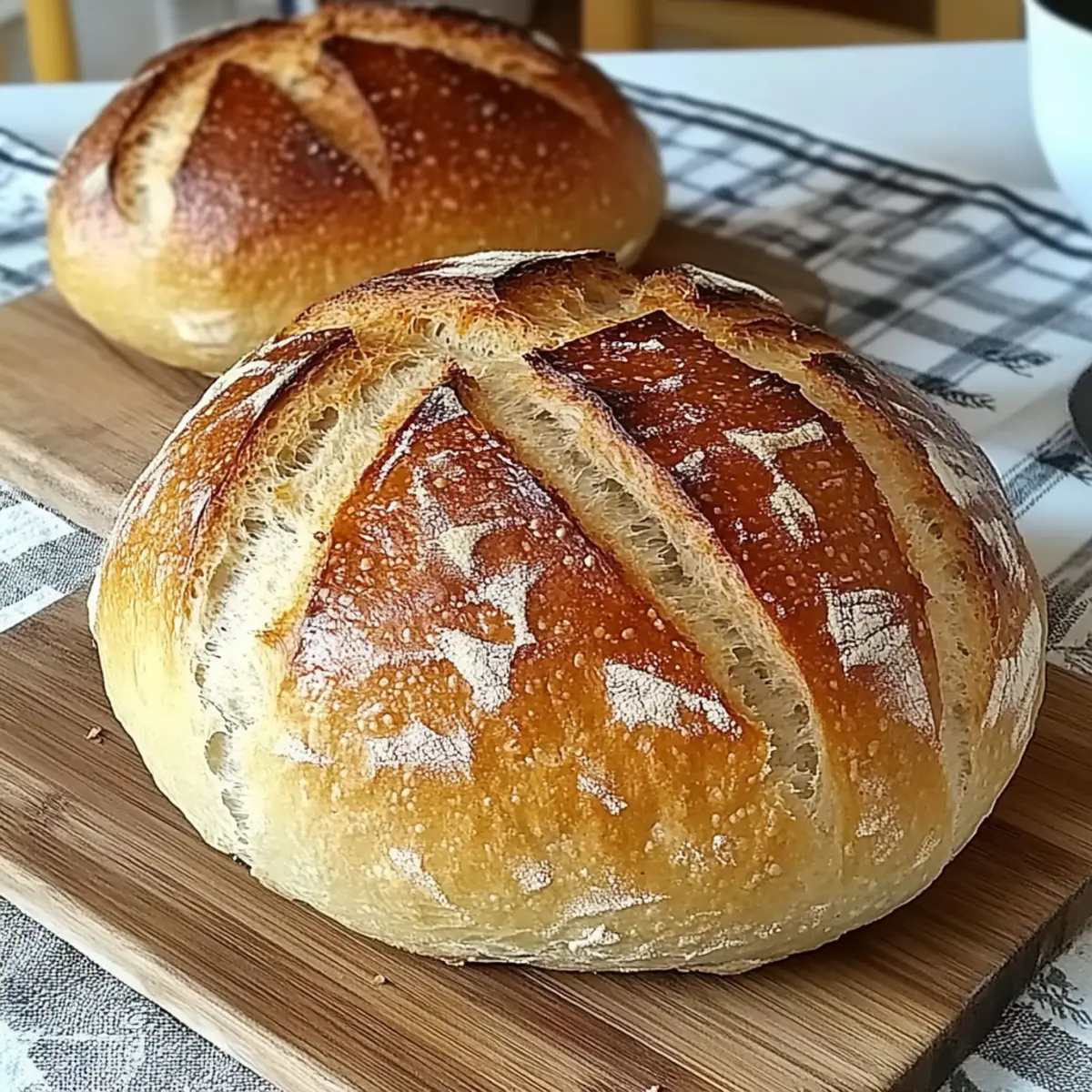
Quick 5-Minute German Bread Recipe FAQs
How do I select the best flour for this bread?
Absolutely! For a well-structured loaf, all-purpose or bread flour is recommended. If you’re looking for healthier substitutions, whole-wheat flour or a gluten-free flour blend can work well, but the texture may differ slightly.
What’s the best way to store leftover bread?
To maintain freshness, store your Quick German Bread in an airtight container or a bread bag at room temperature for up to 3 days. This prevents it from drying out and keeps the crust nice. If you want to keep it longer, consider freezing!
Can I freeze the German bread?
Yes, you can! For optimal preservation, wrap the cooled bread tightly in plastic wrap and then cover it with aluminum foil. This method prevents freezer burn and ensures it stays fresh for up to 3 months. When you’re ready to enjoy it again, just thaw it at room temperature or warm it in an oven at 350°F (175°C) for 10 minutes to restore its delightful crust.
What if my dough is too sticky?
Very! If your dough is excessively sticky, don’t panic! Simply sprinkle in a little more flour, a tablespoon at a time, until it becomes manageable and soft. Knead it lightly until it reaches a nice, tacky texture without being overly wet. This will help you shape the loaf more easily.
Are there any dietary considerations I should be aware of?
Of course! If you have allergies, be mindful that this bread contains gluten due to the flour. If you’re baking for someone with gluten intolerance, substituting with a gluten-free flour blend can be a fantastic option. Always check labels for other potential allergens if adding variations like olives or spices!
Can I use active dry yeast instead of instant yeast?
Certainly! If you prefer using active dry yeast, you’ll need to proof it first. Dissolve 2 teaspoons of yeast in ¼ cup of warm water (110°F / 45°C) with a pinch of sugar and let it sit for about 10 minutes until it becomes frothy. Then, add it to your dry ingredients as though it were instant yeast. This will help your loaf rise beautifully!
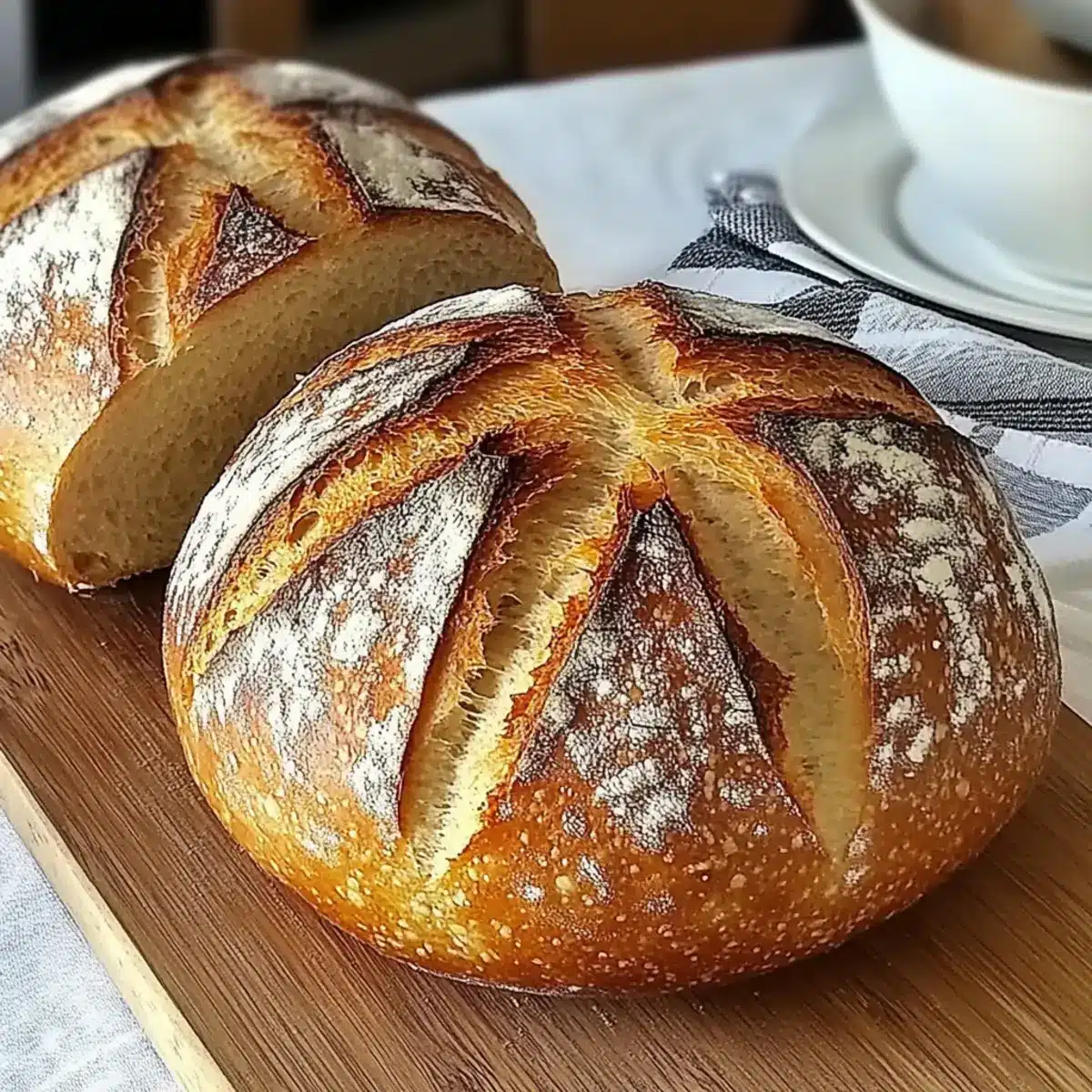
Homemade German Bread: Quick, Rustic Delight in 5 Minutes
Ingredients
Equipment
Method
- In a large mixing bowl, combine 3 cups of all-purpose or bread flour, 2 teaspoons of instant yeast, and 1 teaspoon of salt.
- Gradually pour in 1½ cups of warm water and 1 tablespoon of honey into the dry ingredients and mix until a sticky dough forms.
- Transfer the sticky dough onto a floured surface and knead gently for about 1-2 minutes.
- Place the kneaded dough back in the bowl and cover it with a kitchen towel; let it rest for 5-10 minutes.
- Preheat your oven to 425°F (220°C), placing a Dutch oven inside to warm up.
- Shape the dough into a loaf and slash the top with a sharp knife.
- Transfer the loaf to a baking sheet or Dutch oven and bake for 20-25 minutes until golden brown.
- Let the bread cool on a wire rack for at least 10 minutes before slicing.
Leave a Reply