
As I opened my oven door, a warm wave of nostalgia washed over me, transporting me straight to the bustling streets of Paris. There’s something truly magical about a homemade baguette—its golden crust crackling as you slice into it, revealing a soft, pillowy interior that begs to be slathered with butter or stuffed with your favorite fillings. This Homemade Baguette Recipe is not only an easy bread recipe suited for all skill levels, but it also allows you to bring that artisanal bakery experience right into your kitchen. The best part? You’ll impress family and friends during cozy dinners or casual gatherings, all while enjoying the satisfaction of baking your own bread. Are you ready to embark on this delicious journey with me?
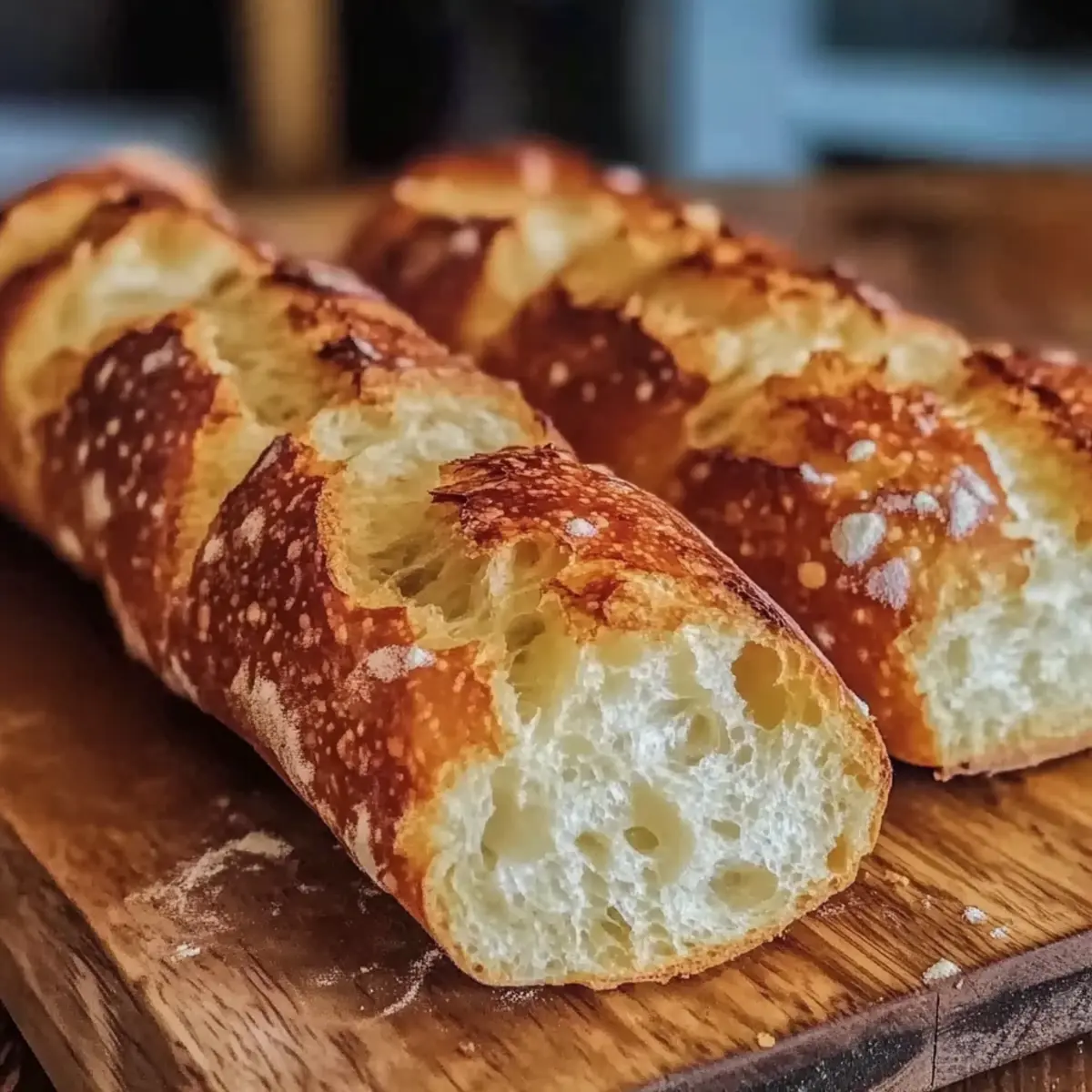
What makes homemade baguettes so special?
Freshness Always: Homemade baguettes mean no preservatives and maximum flavor. You control every ingredient, ensuring the truest taste of fresh bread.
Crispy, Golden Crust: Enjoy the satisfying crackle of a perfectly baked crust, reminiscent of your favorite bakery, right from your own oven.
Easy to Master: This recipe is designed for everyone, whether you’re a beginner in the kitchen or an experienced baker looking for a new challenge.
Versatile Delight: Enjoy them with butter, in sandwiches, or even with soups and stews. The options are endless!
Impress Your Guests: Bake these indulgent baguettes for gatherings, and you’ll undoubtedly receive compliments. They not only taste incredible but also add a touch of elegance to any meal.
Why not pair this with some delicious Crack Burgers Homemade for a complete homemade feast?
Homemade Baguette Ingredients
For the Dough
- Warm Water – Activates yeast for the perfect rise; ensure it’s not too hot to avoid killing the yeast.
- Active Dry Yeast (or Instant Yeast) – Leavens the bread; if using instant yeast, reduce the quantity slightly to 1 3/4 teaspoons.
- All-Purpose Flour – Provides the necessary structure; you can substitute with a gluten-free blend for a gluten-free homemade baguette.
- Salt – Enhances flavor and stabilizes the dough structure; a must for achieving that delicious taste.
Step‑by‑Step Instructions for Homemade Baguette Recipe
Step 1: Mix Ingredients
In a large mixing bowl, combine 1¾ cups of warm water with 2 teaspoons of active dry yeast. Let this mixture sit for about 5 minutes until foamy, indicating the yeast is active. Next, stir in 4 cups of all-purpose flour and 1½ teaspoons of salt. Mix until a soft dough forms, ensuring all flour is incorporated, and prepare to knead shortly.
Step 2: Knead the Dough
Turn the dough onto a floured surface and knead for about 10 minutes until it becomes smooth and elastic. If the dough feels sticky, sprinkle a little flour as needed. You’ll know it’s ready when it springs back when gently pressed. This step is crucial for developing a good structure in your homemade baguette.
Step 3: First Rise
Place the kneaded dough in a greased bowl, turning it to coat all surfaces lightly. Cover the bowl with a damp cloth or plastic wrap and set it in a warm, draft-free area for about 1 hour, or until the dough doubles in size. When ready, it should look puffy and have a slightly domed shape, marking the start of your baguette-making journey.
Step 4: Shape Baguettes
Once the dough has risen, gently punch it down to release air, then divide it into 2 or 3 equal portions. On a lightly floured surface, flatten each piece into a rectangle and roll it tightly into a baguette shape. Pinch the seams to seal, ensuring a uniform shape, which will help achieve that classic baguette look when baked.
Step 5: Second Rise
Transfer the shaped baguettes to a floured baking sheet or parchment paper. Loosely cover with a kitchen towel and let them rise for another 30 minutes. During this time, you’ll notice the baguettes puffing up even more, ready for the final baking process.
Step 6: Prepare for Baking
Preheat your oven to 450°F (232°C) while the baguettes complete their second rise. Place a shallow pan filled with water on the bottom oven rack to create steam, essential for a crispy crust. When ready, use a sharp knife to score the tops of the baguettes with several diagonal slashes, ensuring they expand nicely as they bake.
Step 7: Bake
Carefully place the baguettes in the preheated oven and bake for about 25 minutes. You’ll know they’re done when they turn a deep golden brown and sound hollow when tapped on the bottom. This is a delightful moment, as the scent of your homemade baguette fills the kitchen.
Step 8: Cool
Once baked, remove the baguettes from the oven and let them cool on a wire rack for at least 30 minutes before slicing. This cooling time ensures the inside finishes cooking properly and helps maintain the bread’s beautiful crust. Enjoy your homemade baguette with butter or as a part of your favorite meal!
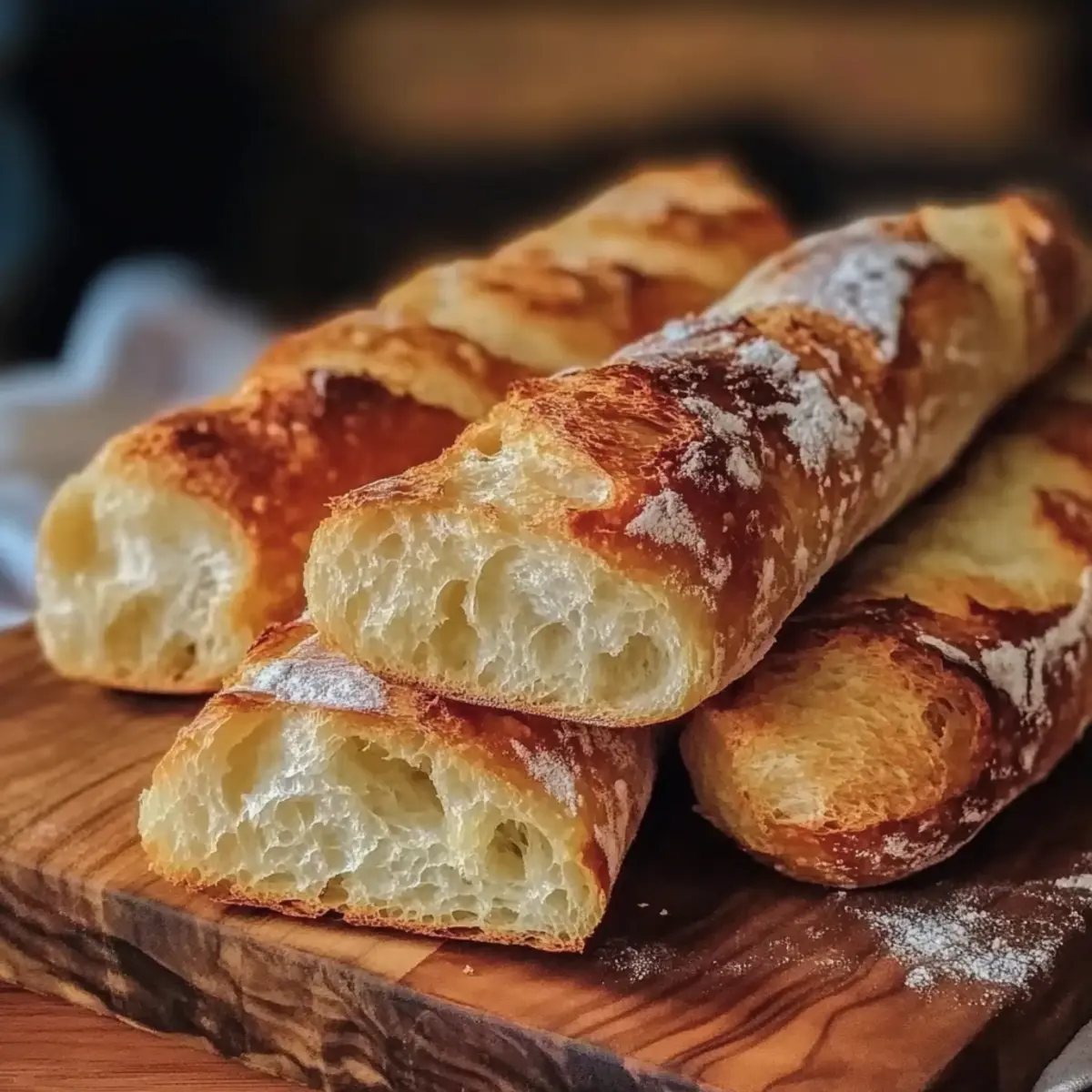
Expert Tips for Homemade Baguette
-
Temperature Control: Ensure your kitchen is warm during the rising phases; cooler temps can slow yeast activation, leading to a dense baguette.
-
Use Steam: Always place a pan of water in the oven to create steam, which is vital for achieving that crispy crust on your homemade baguette.
-
Don’t Over-knead: Kneading should be just enough to develop gluten; excessive kneading can make your baguette dense instead of fluffy.
-
Scoring Technique: Experiment with different scoring patterns on top of your baguettes; this not only helps with expansion but also adds an artisan touch.
-
Fresh Ingredients: Use fresh yeast for light and airy bread; expired yeast can lead to a failed rise and disappointing texture.
Make Ahead Options
These homemade baguettes are perfect for meal prep enthusiasts! You can prepare the dough up to 24 hours in advance, allowing you to enjoy freshly baked bread on busy weeknights. Simply complete the mixing and kneading steps, then let the dough rise until doubled in size. After the first rise, cover the bowl tightly with plastic wrap and refrigerate to slow the fermentation process. When you’re ready to bake, take the dough out and let it come to room temperature before shaping the baguettes and proceeding with the second rise. This way, they will be just as delicious, boasting that crispy crust and soft interior you adore. Enjoy the time-saving benefits of planning ahead, while impressing your family with warm, homemade baguettes!
What to Serve with Perfect Homemade Baguette
Indulge in the delightful flavors and textures that elevate your homemade baking experience into a truly memorable meal.
- Creamy Garlic Butter: This flavorful spread melts beautifully onto warm, crispy slices, enhancing the baguette’s texture and taste with a savory touch.
- Classic Tomato Soup: The bright acidity and comforting warmth of tomato soup make it the perfect companion for soaking up your freshly baked baguette.
- Herbed Olive Oil Dipping Sauce: A mix of aromatic herbs and high-quality olive oil provides a fragrant, zesty experience as you dip your crunchy bread, adding a splash of Mediterranean flair.
- Fresh Arugula Salad: The peppery bite of arugula complements the richness of your baguette, while a drizzle of lemon vinaigrette brightens the dish.
- Cheeses of the World: A charcuterie board featuring brie, aged cheddar, and tangy blue cheese pairs wonderfully, inviting you to create delicious combinations.
- Homemade Hummus: Serve with a side of creamy hummus for a delightful contrast of flavors, inviting you to scoop and enjoy every last bite.
- Fruity Jams: From tart raspberry to rich fig jam, sweet accompaniments create a lovely balance with the crusty bread, perfect for an elegant brunch or afternoon snack.
- Full-Bodied Red Wine: A glass of merlot or cabernet will enhance the flavors, making your meal feel extra special and inviting lively conversations at dinner.
- Chocolate Mousse: Finish your meal on a sweet note with a rich chocolate mousse, providing a decadent dessert option that beautifully complements the bread.
How to Store and Freeze Homemade Baguette
Room Temperature: Store your baguette wrapped in a kitchen towel for up to 2 days to maintain freshness and prevent it from drying out.
Fridge: Avoid refrigerating your baguette, as this can make it stale more quickly. Instead, keep it at room temperature for the best texture.
Freezer: Wrap the baguette tightly in plastic wrap or aluminum foil before placing it in an airtight freezer bag. It can be frozen for up to 3 months.
Reheating: To restore the crispy crust, preheat your oven to 375°F (190°C) and bake the frozen baguette for about 10-15 minutes. Enjoy your homemade baguette warm and delicious!
Homemade Baguette Variations
Explore exciting ways to customize your homemade baguette and elevate its flavor and texture!
-
Garlic-Butter Baguette: Brush the dough with garlic-infused olive oil before baking for a fragrant, savory twist. This savory option makes your baguette perfect for dipping in marinara or enjoying with butter.
-
Herb-Infused Baguette: Mix in dried herbs like rosemary or thyme into your dough for a fragrant flavor. Fresh or dried herbs add a lovely aroma and an earthy taste, making it a delightful companion for soups and salads.
-
Cheesy Baguette: Sprinkle shredded cheese within the dough before shaping for a cheesy surprise. Consider adding mozzarella for a stretchy texture or sharp cheddar for a zingy boost.
-
Spicy Twist: Add crushed red pepper flakes to the dough for a subtle heat. A touch of spice transforms your baguette into a robust side with just the right kick, perfect for pairing with hearty dishes!
-
Sweetened Baguette: Stir in a tablespoon of honey or sugar to the dough for a hint of sweetness. This variation is lovely for making delicious French toast or simply enjoying with jam.
-
Whole Wheat Baguette: Substitute half of the all-purpose flour with whole wheat flour for added fiber and nuttiness. This version gives a rustic flavor and denser texture that is oh-so-satisfying.
-
Gluten-Free Baguette: Use a gluten-free flour blend instead of all-purpose flour for a gluten-free treat. You may need to adjust the liquid for the right dough consistency, but it’ll enable everyone to enjoy homemade goodness.
-
Dried Fruit Baguette: Incorporate dried fruits like cranberries or apricots into the dough for a unique flavor. These sweet pockets can elevate your baguette, making it perfect for cheese platters or festive gatherings.
Set your creative energies loose and have fun! And if you’re looking for delicious pairings, why not try your homemade baguette with some Korean Potato Cheese Pancakes or a bold Grilled Cheese Burrito? Enjoy experimenting!
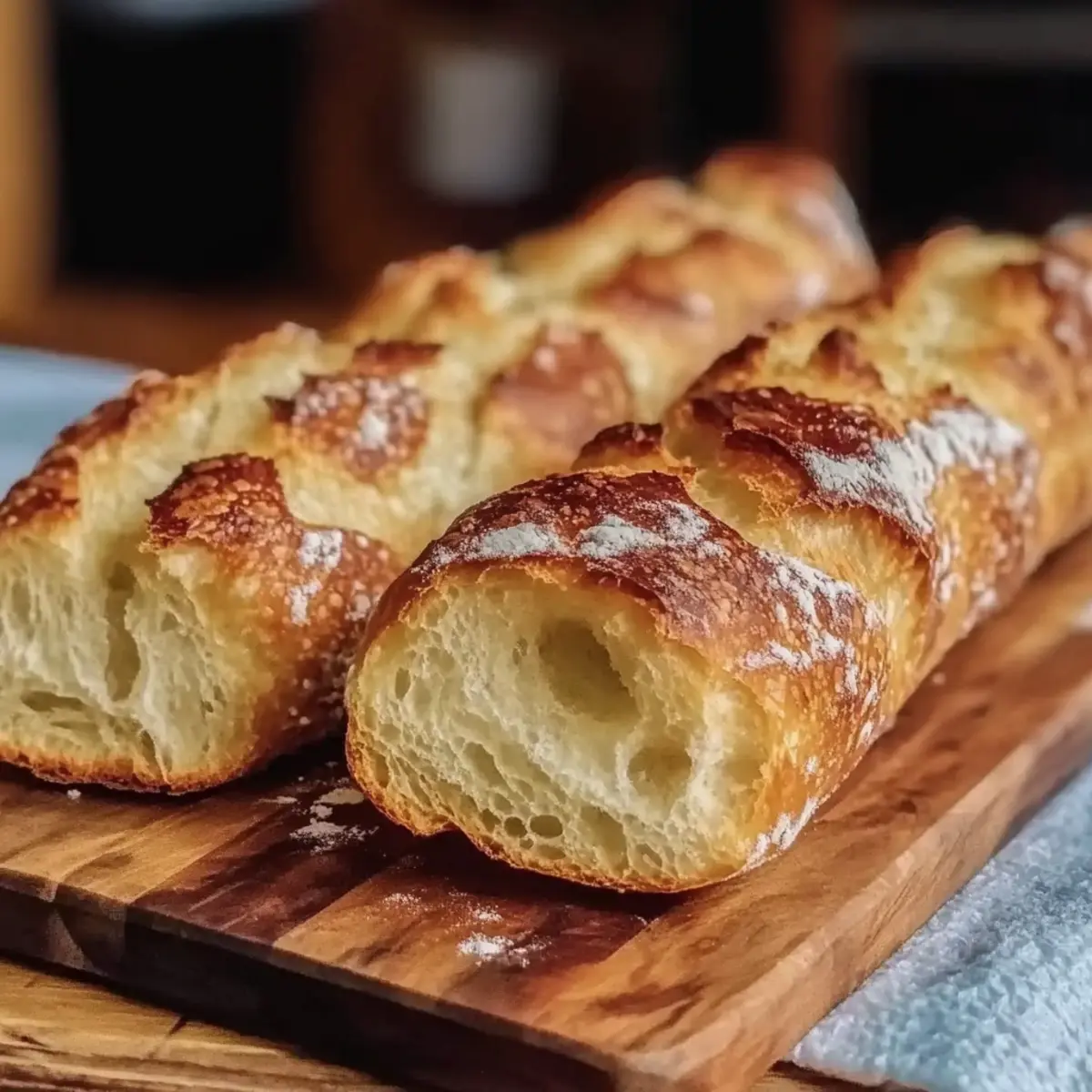
Perfect Homemade Baguette Recipe FAQs
How do you choose the right ingredients for homemade baguettes?
Absolutely! When selecting your ingredients, look for high-quality all-purpose flour without additives for the best texture. For the yeast, ensure it is fresh and active, as expired yeast can lead to inadequate rising. Opt for filtered or bottled water if your tap water has a strong flavor or chlorine, as any impurities can affect the taste of the baguette.
How should I store my baked baguettes to keep them fresh?
The best way to keep your baguette fresh is to wrap it in a kitchen towel and store it at room temperature for up to 2 days. This method allows the bread to breathe and keeps the crust from becoming too soft. Avoid the fridge, as this can cause the baguette to stale more quickly due to moisture loss. If you need to store it longer, wrap it tightly in plastic wrap and place it in an airtight bag before freezing.
Can I freeze homemade baguettes?
Yes, you can! To freeze your baguette, first ensure it’s completely cooled. Wrap it tightly in plastic wrap or aluminum foil, then place it in an airtight freezer bag. It can be frozen for up to 3 months. When you’re ready to enjoy it again, preheat your oven to 375°F (190°C) and bake the frozen baguette for about 10-15 minutes, giving it a delightful crispy crust once more.
What if my baguette doesn’t rise properly?
If your baguette doesn’t rise, the issue might be with the yeast. First, check if your warm water was too hot, as temperatures above 130°F (54°C) can kill the yeast. Make sure to check the expiration date on your yeast package as well. If your dough is rising too slowly, consider giving it a warmer environment—an oven preheated to 200°F (93°C) and then turned off creates a fantastic warm area for rising. Just remember to keep an eye on it, as dough should ideally double in size in about an hour!
Can I make gluten-free baguettes?
Absolutely! You can use a gluten-free flour blend specifically designed for bread-making. Make sure it contains xanthan gum or add it separately according to the package instructions. Gluten-free bread dough may not hold its shape as well as traditional dough, so handle it gently and consider using a baguette pan to help maintain its structure during rising and baking.

Crispy Homemade Baguette Recipe for Bakery-Style Bliss
Ingredients
Equipment
Method
- In a large mixing bowl, combine 1¾ cups of warm water with 2 teaspoons of active dry yeast. Let this mixture sit for about 5 minutes until foamy.
- Stir in 4 cups of all-purpose flour and 1½ teaspoons of salt. Mix until a soft dough forms.
- Turn the dough onto a floured surface and knead for about 10 minutes until it becomes smooth and elastic.
- Place the kneaded dough in a greased bowl, cover with a damp cloth and let it rise in a warm place for about 1 hour until doubled in size.
- Once risen, punch down the dough, divide into 2 or 3 portions, flatten each, and roll into a baguette shape.
- Transfer shaped baguettes to a floured baking sheet, cover loosely, and let rise for another 30 minutes.
- Preheat your oven to 450°F (232°C) and place a shallow pan of water in the oven.
- Score the tops of the baguettes with diagonal slashes, then bake for about 25 minutes until golden brown.
- Remove from the oven and let cool on a wire rack for at least 30 minutes before slicing.
Leave a Reply